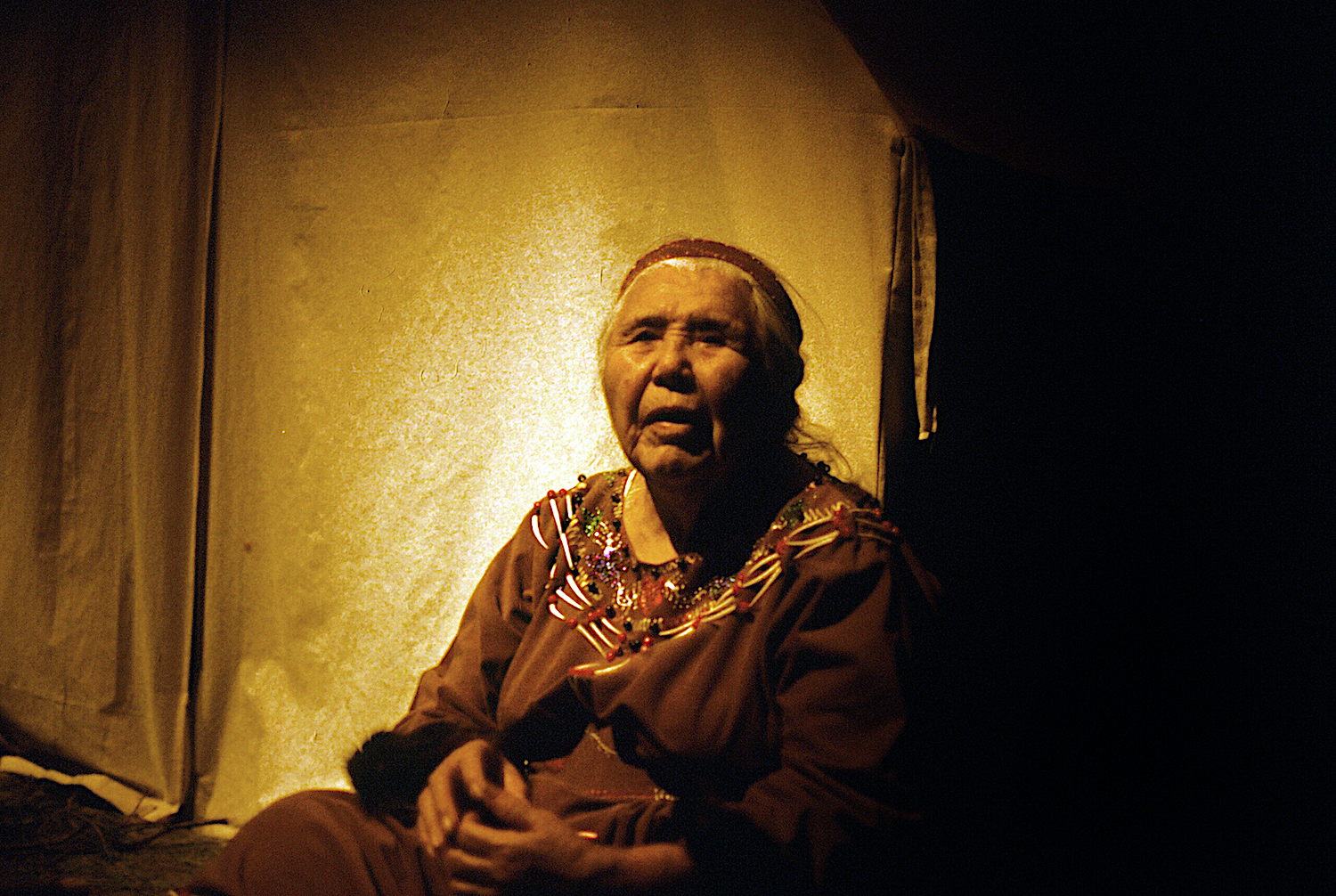
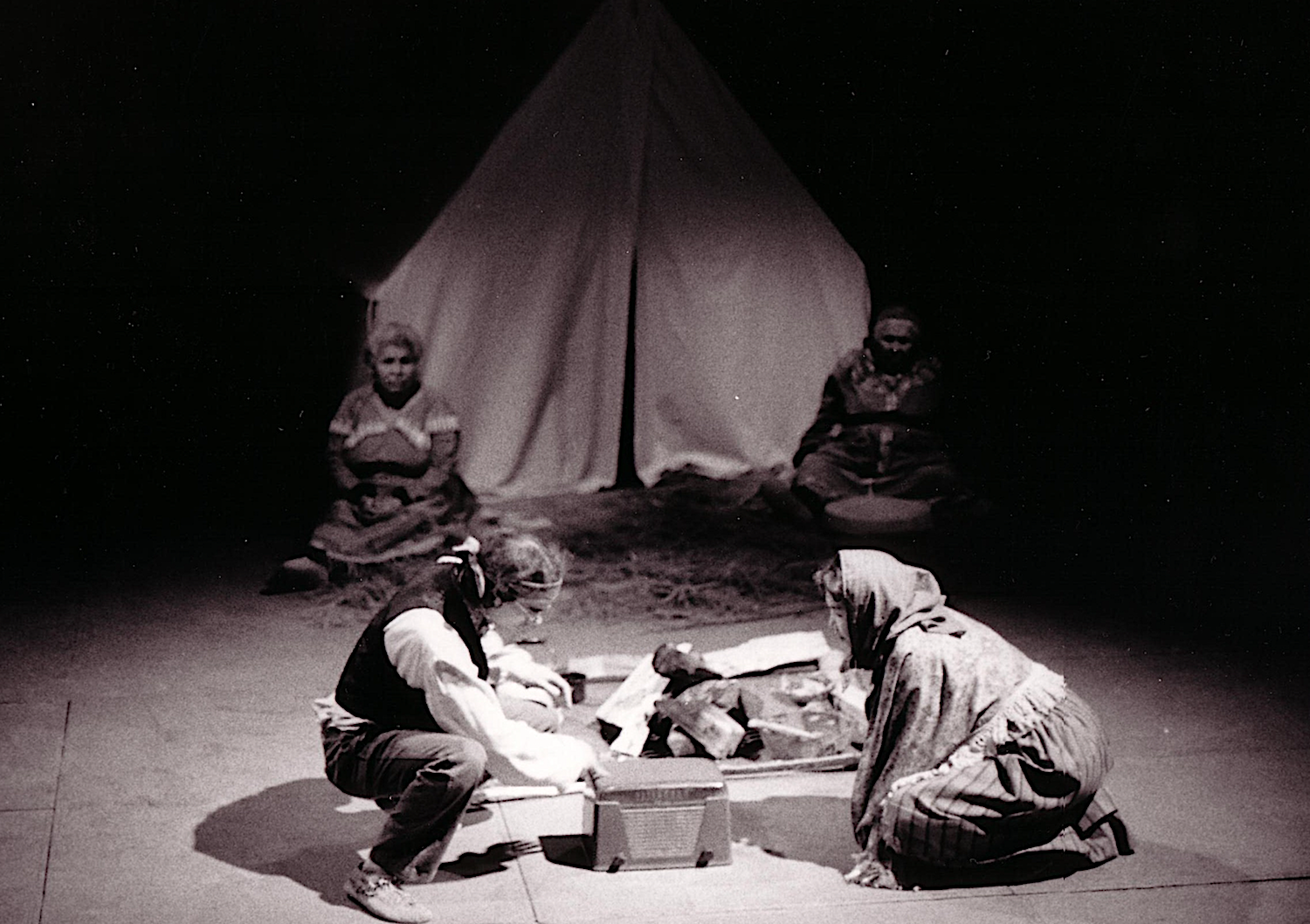
Indigenous Performance
One goal of his work is to bridge the gap between the modern and the traditional, giving Indigenous people a way of relating to the modern world on their own terms.
—Dagen Nyheter, Stockholm, Sweden
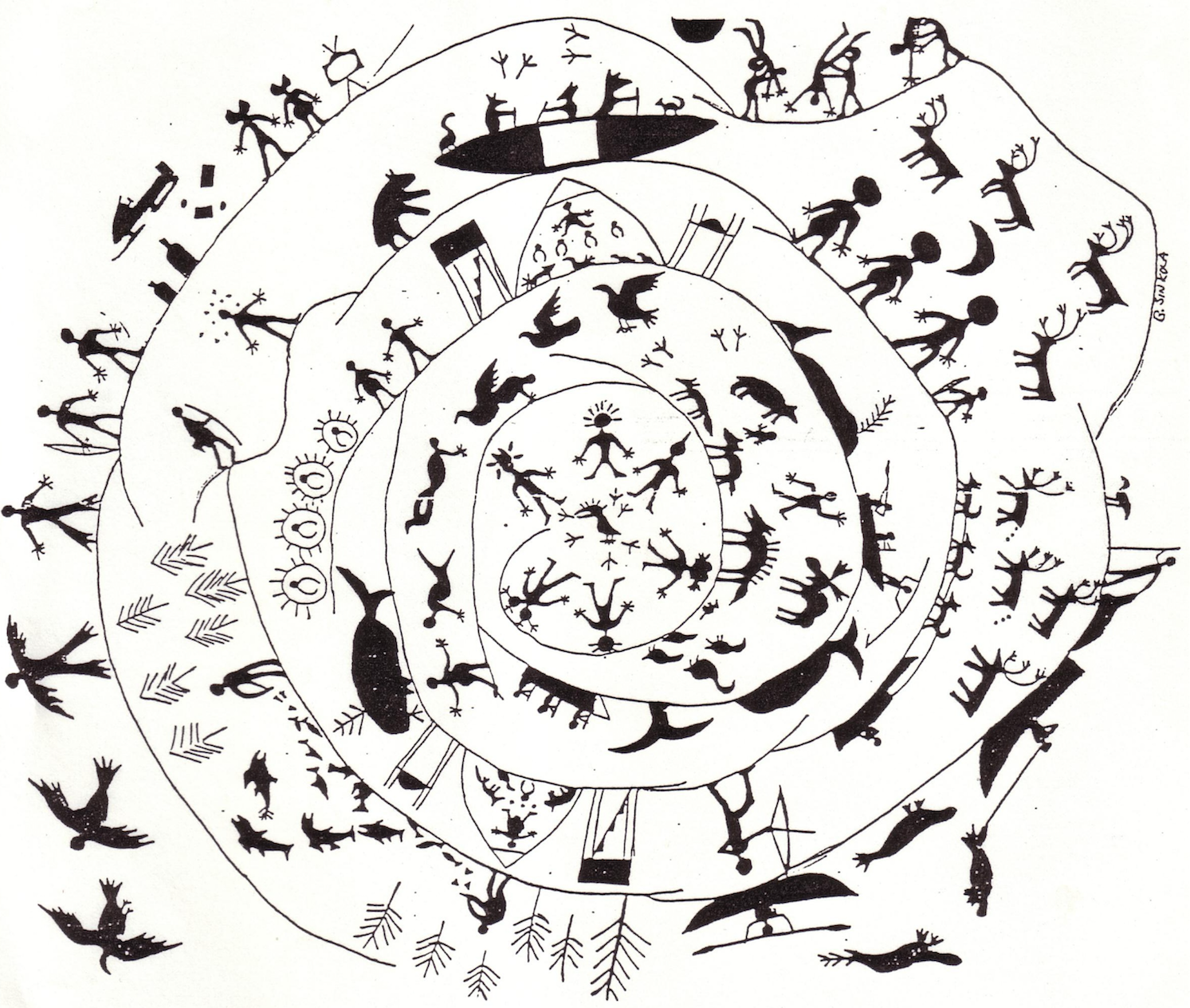
Script for Qayaq, produced by Tuma Theatre (Alaska Native Performance)
Each Indigenous performance project aspires to identify and reaffirm Indigenous and traditional expressions, worldviews, and performance structures. Rather than adopting Western dramaturgical and performance expressions, each project seeks to identify and articulate a place-based performance on a group’s own terms. In many ways, the performers are activated as tradition bearers, bridging the two worlds that they inhabit, the contemporary and the traditional. In turn, their unique cultural expression and worldview is given expression, enriching personal and cultural identity and the dialogue of globalization. Each culture holds a unique perspective, and each voice on the earth must be heard.
Andegna (the first)
Lul Theatre
Addis Ababa, Ethiopia
devised/directed


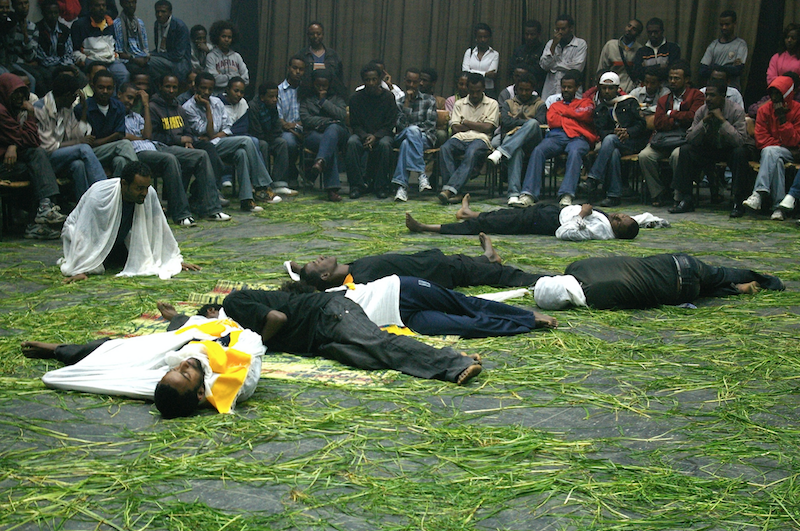


By crossing boundaries, he explores and finds the means to tell the story of indigenous societies and cultures. He then transplants and transforms what he finds to serve as expressions of contemporary society.
—Sub Sahara Informer / Addis Ababa, Ethiopia
“What I'm hoping to do is establish an alternative method, a way for indigenous people to create for themselves in their own terms.”
—from an interview, The Cleveland Plain Dealer


Makhanda Mahlanu
NAPAC
KwaZulu Natal
South Africa
devised/directed
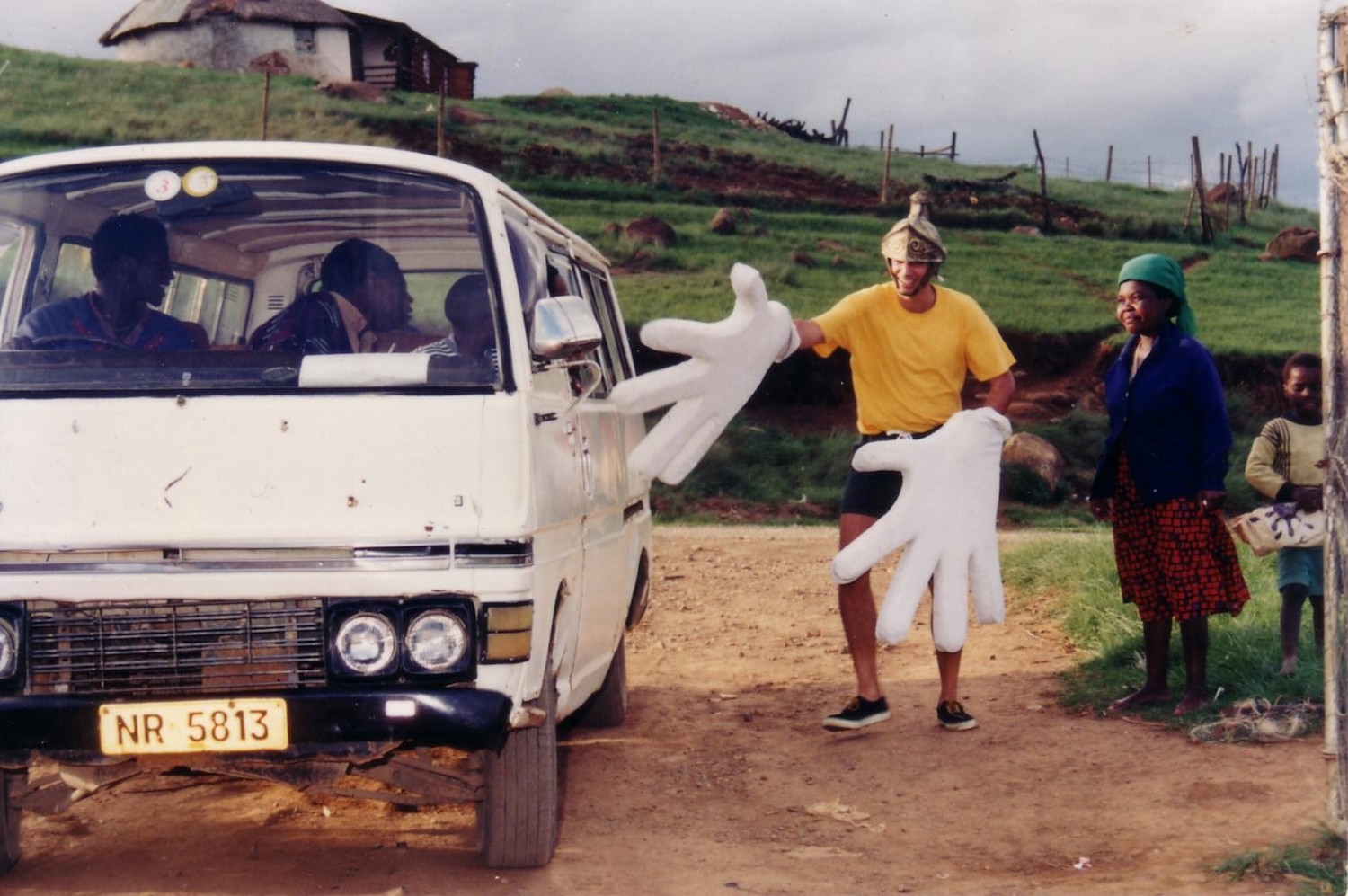
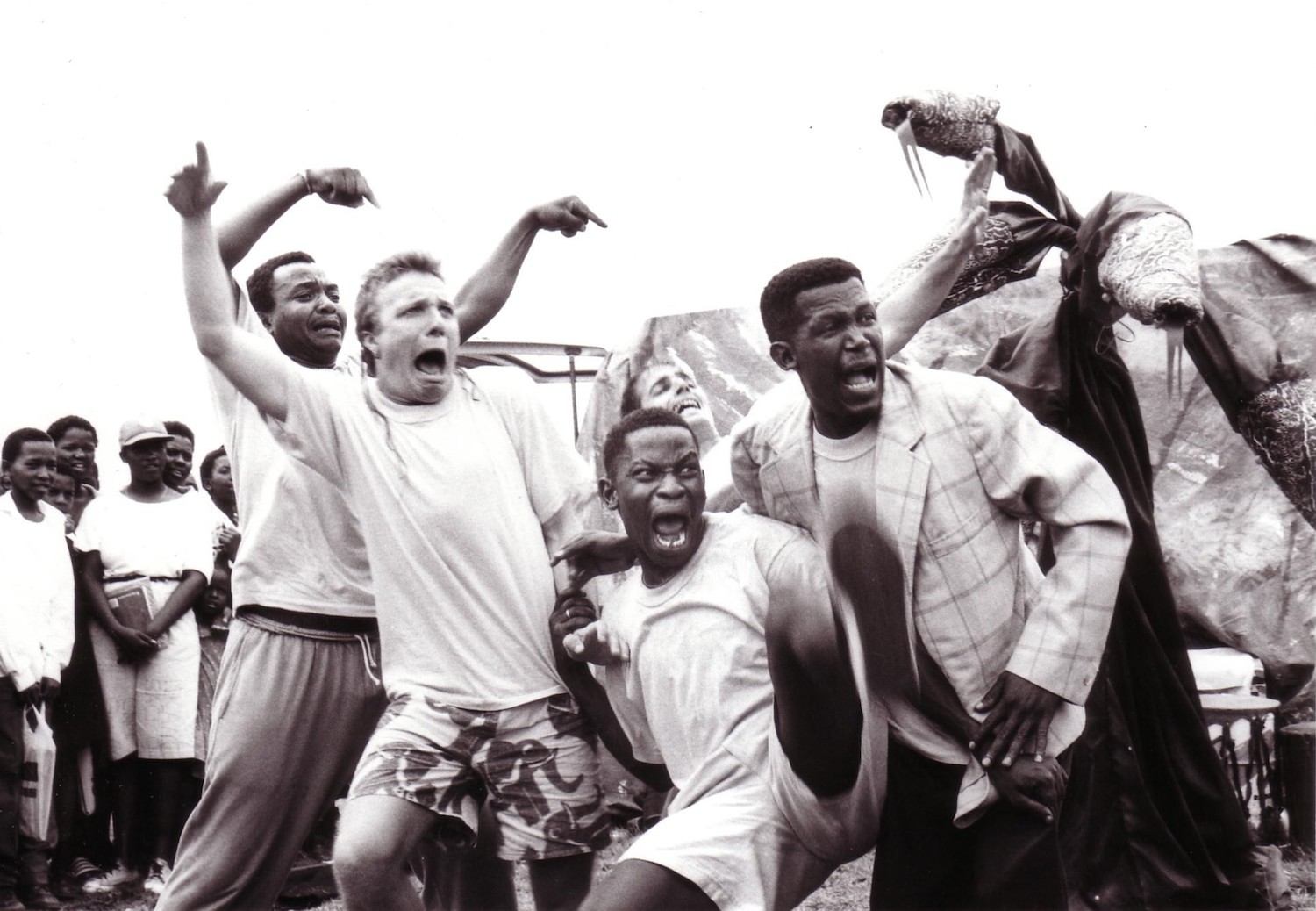


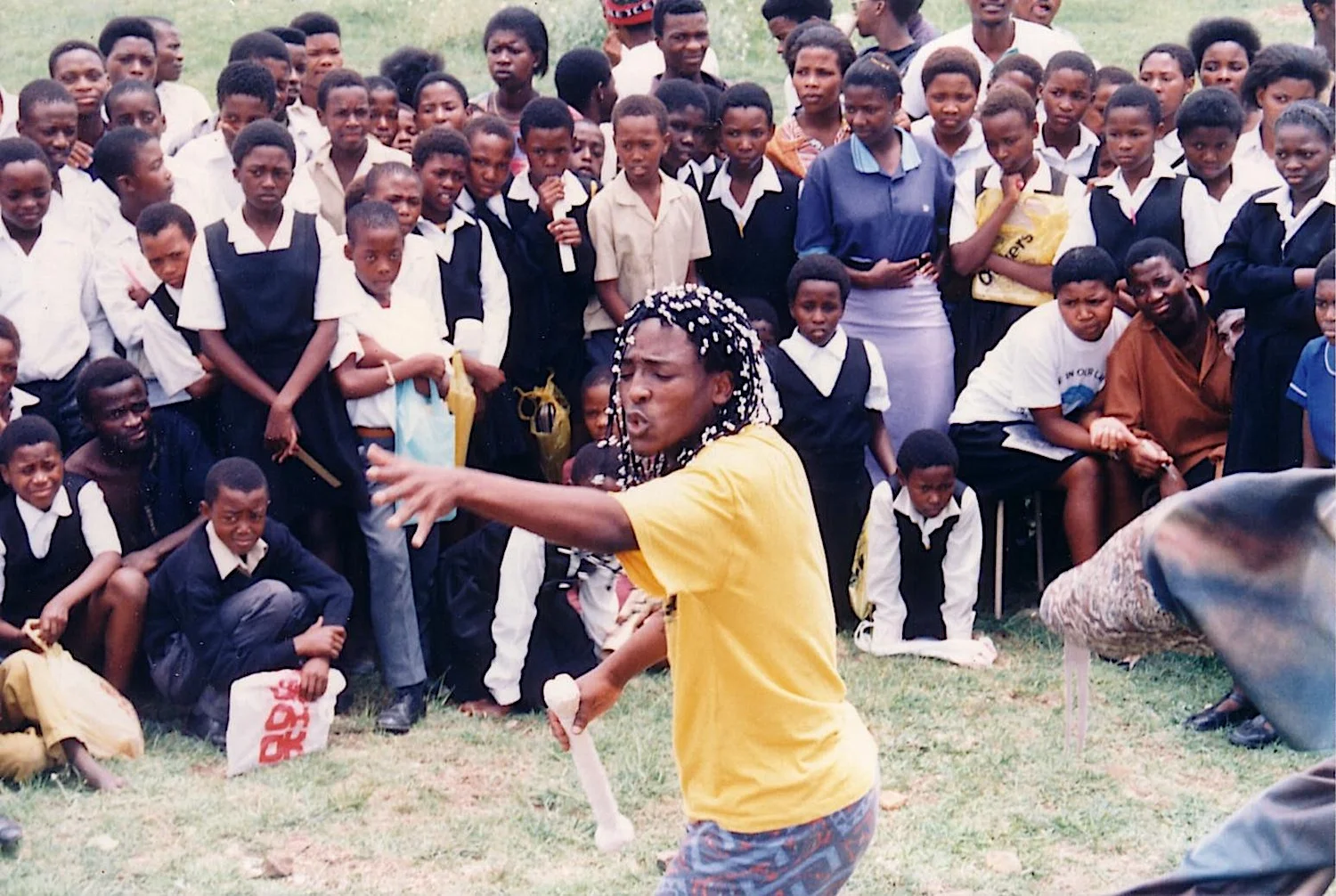

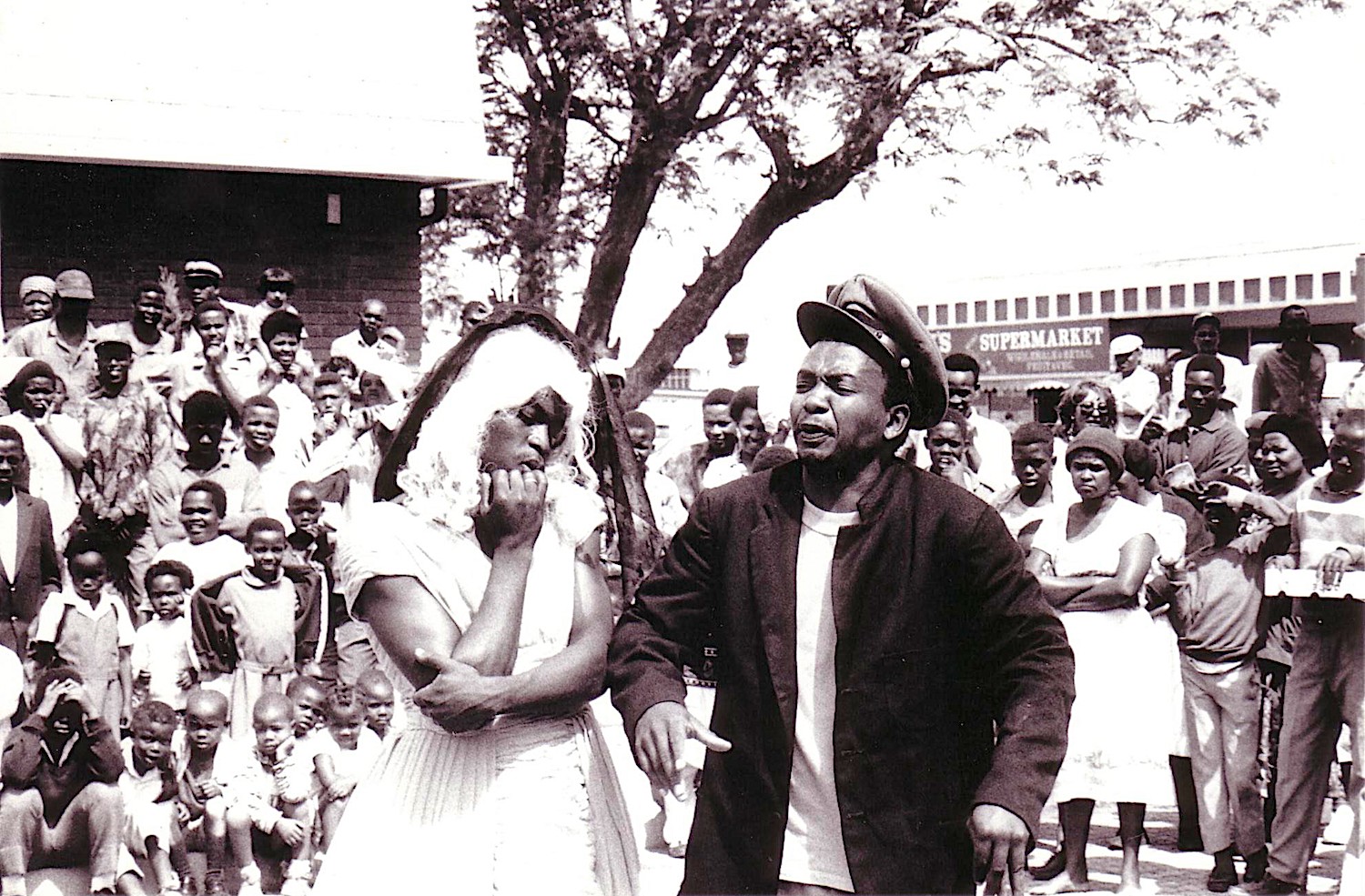
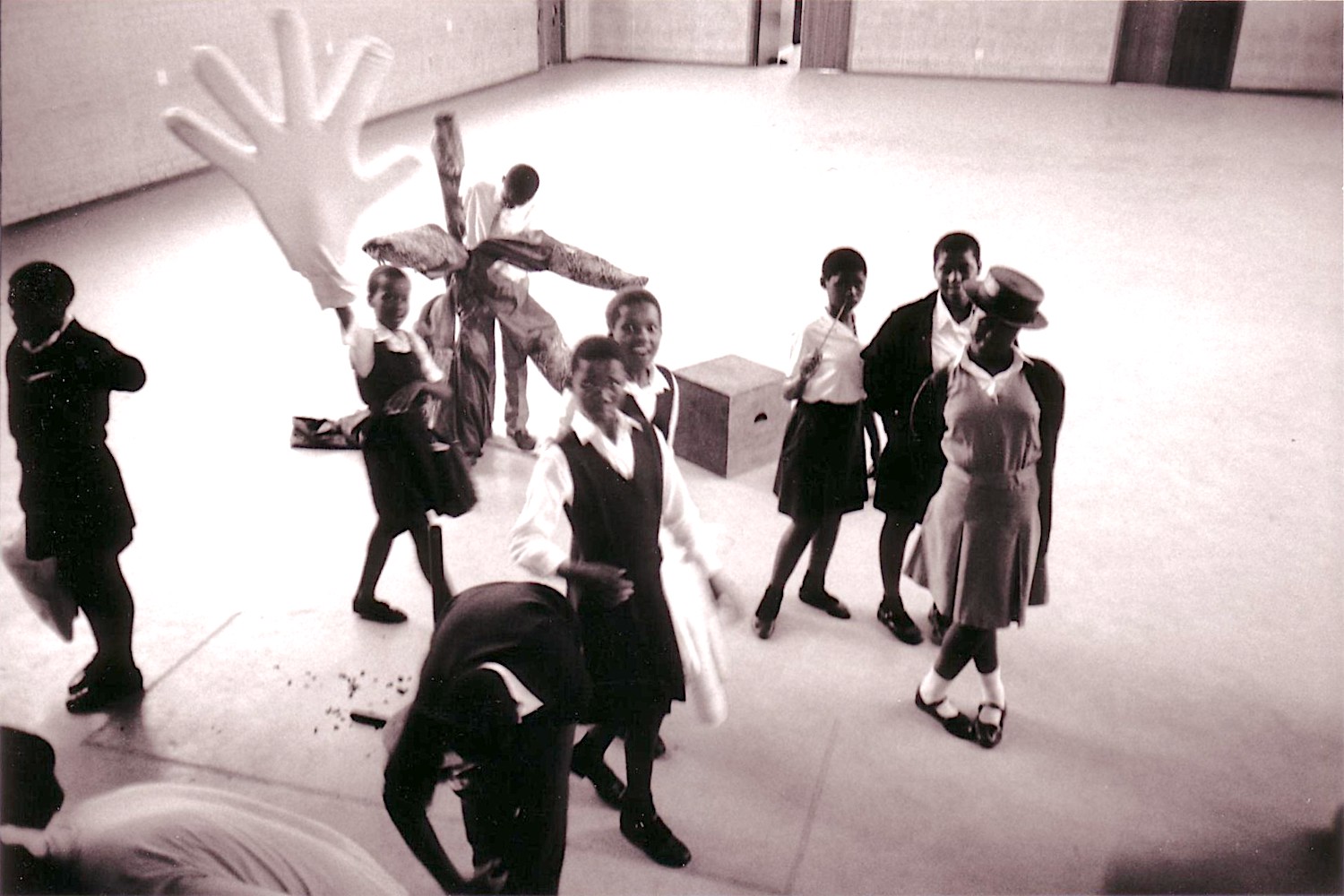
Riccio comments that indigenous cultures worldwide entail similar cyclical themes of harmony and restoration—sharply in contrast with Western culture’s emphasis on conflict. He hopes that theatre in indigenous cultures can serve as an affirmation of their culture amid the bombardment of Western values.
—The Guardian Weekly, South Africa

Like a modern-day Pied Piper, a singing man in a mock Roman helmet ran through the Cato Crest squatter settlement outside Durban, trailing hundreds of tiny children behind him. The 50-minute play, a traditional Zulu folk tale called Makhanda Mahlanu, espousing democracy, understanding, and tolerance, used mime, magic, percussion, music, humor, and audience participation to tell the story of an autocratic five-headed snake's search for the perfect wife. Wide-eyed children as young as two and three watched the performance in rapturous delight while grey-haired men and old, toothless women chuckled alongside their families.
—Sunday Times, Durban, South Africa

Video documentation / 50:54
photos: Shelley Kjonstad


The Eagle's Gift
Tuma Theatre, Alaska
devised/directed

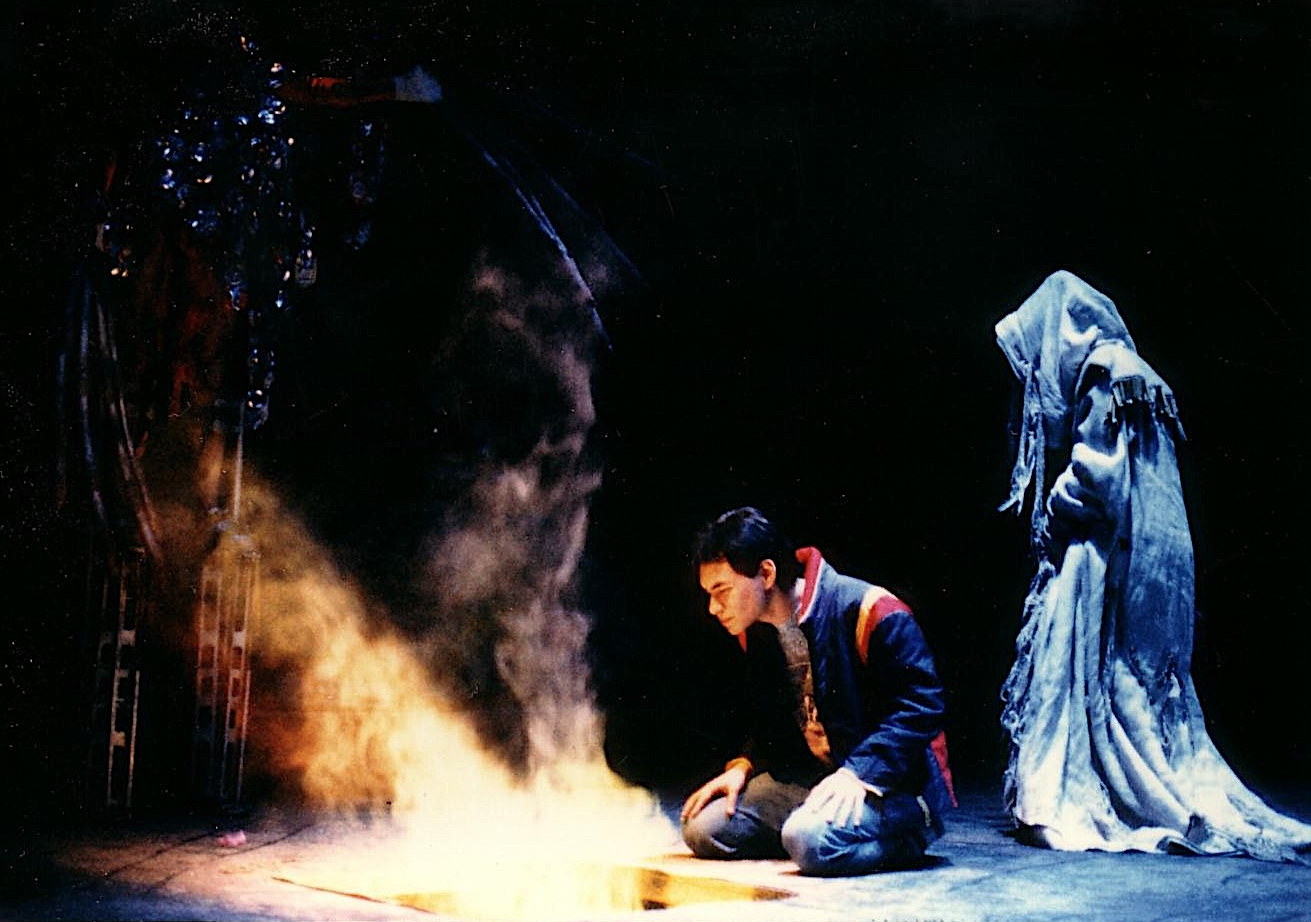
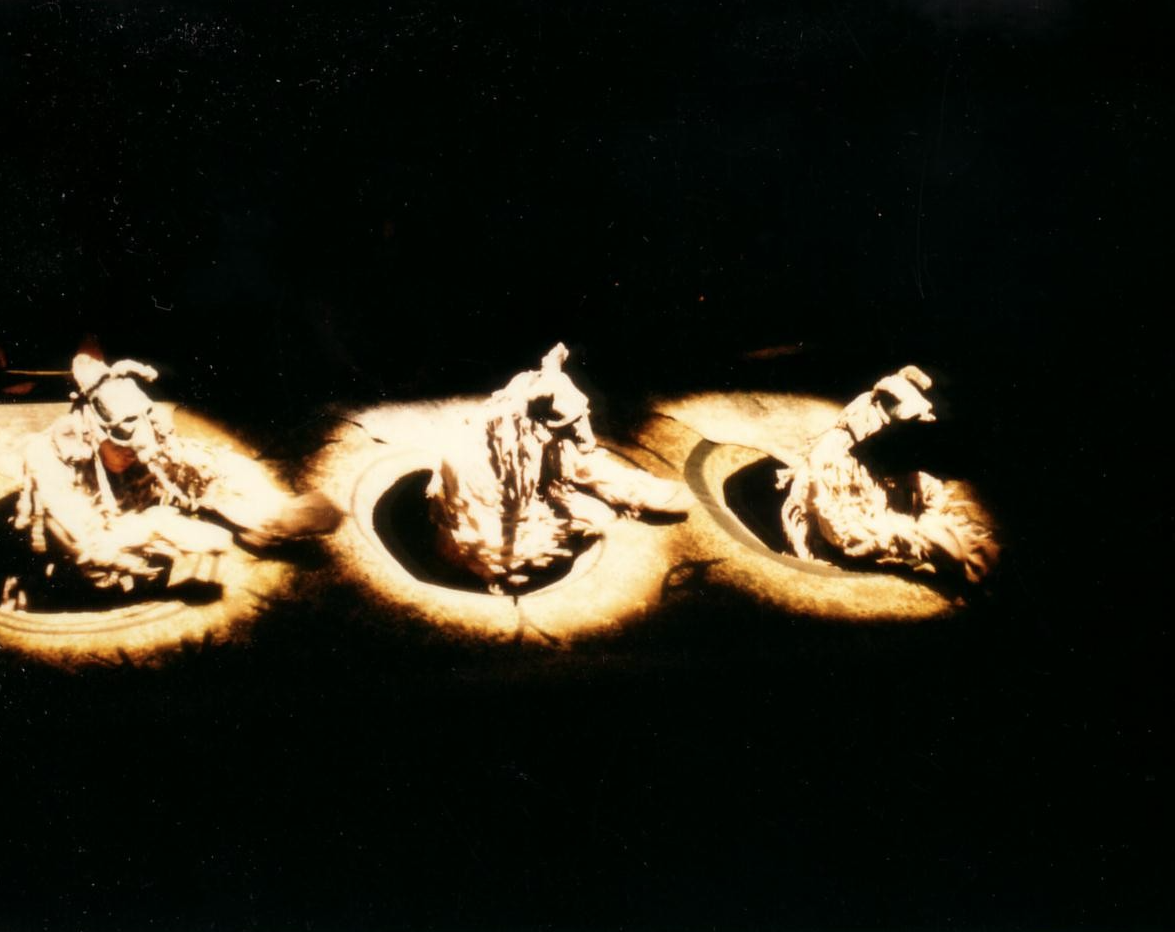
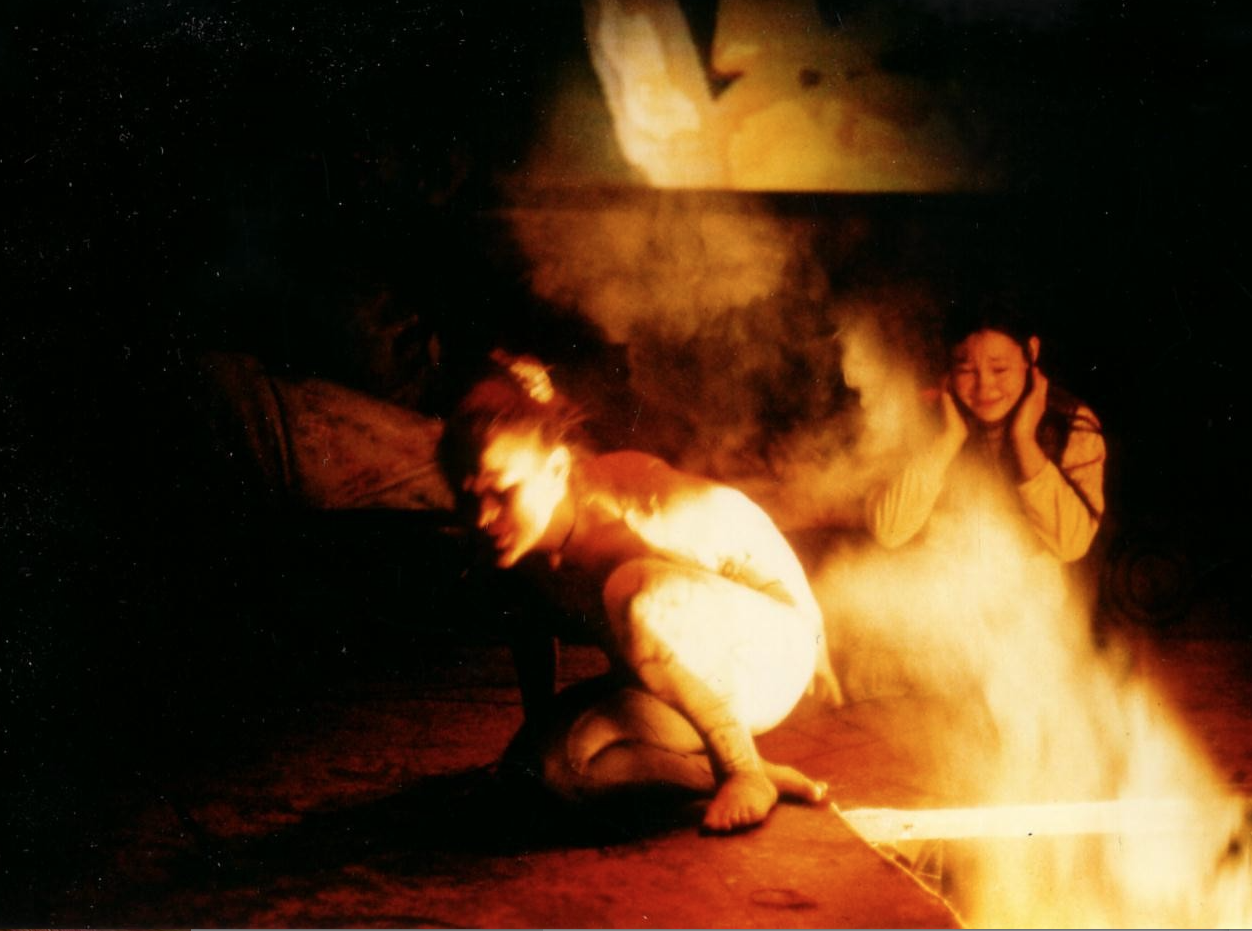
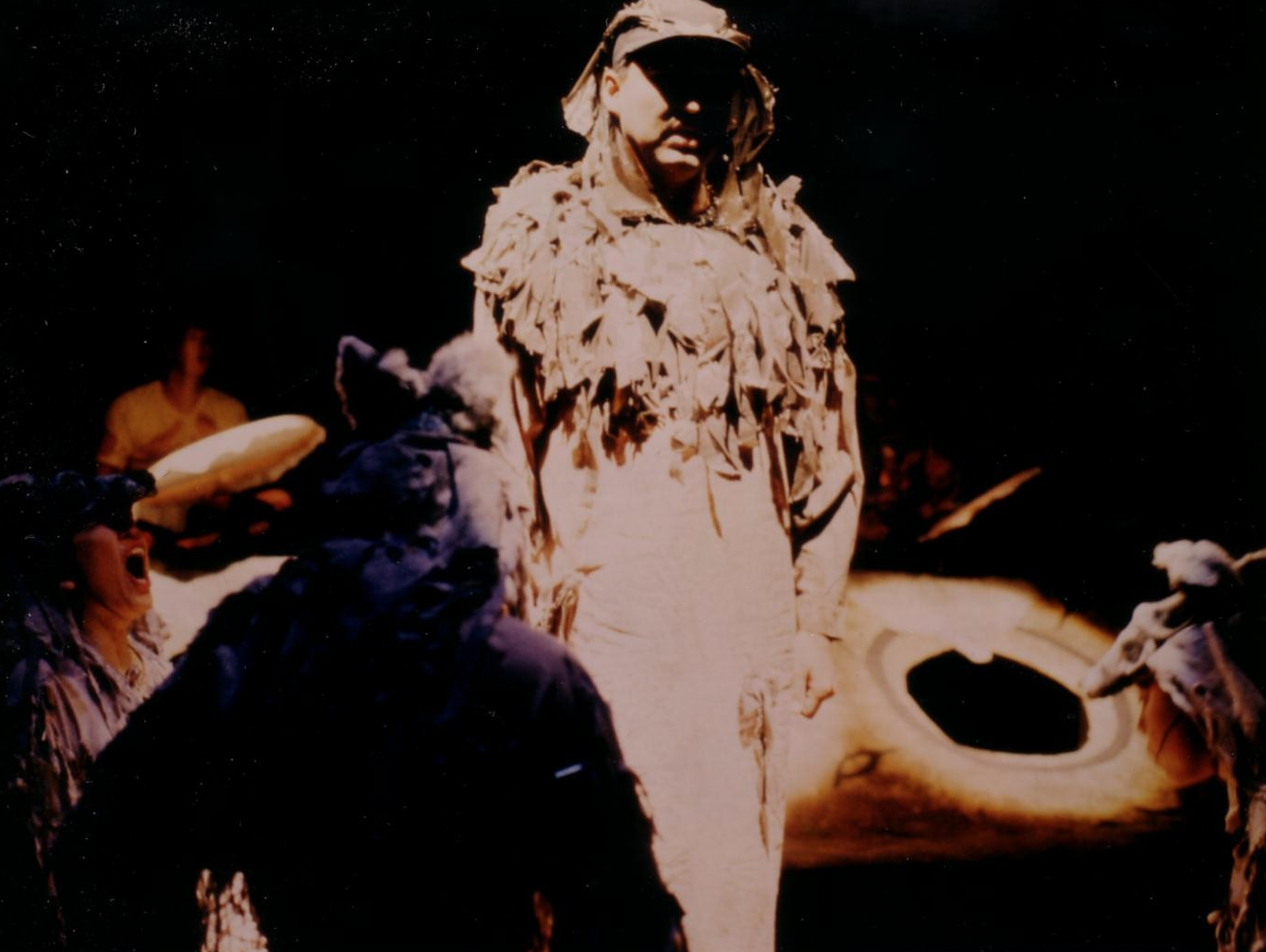

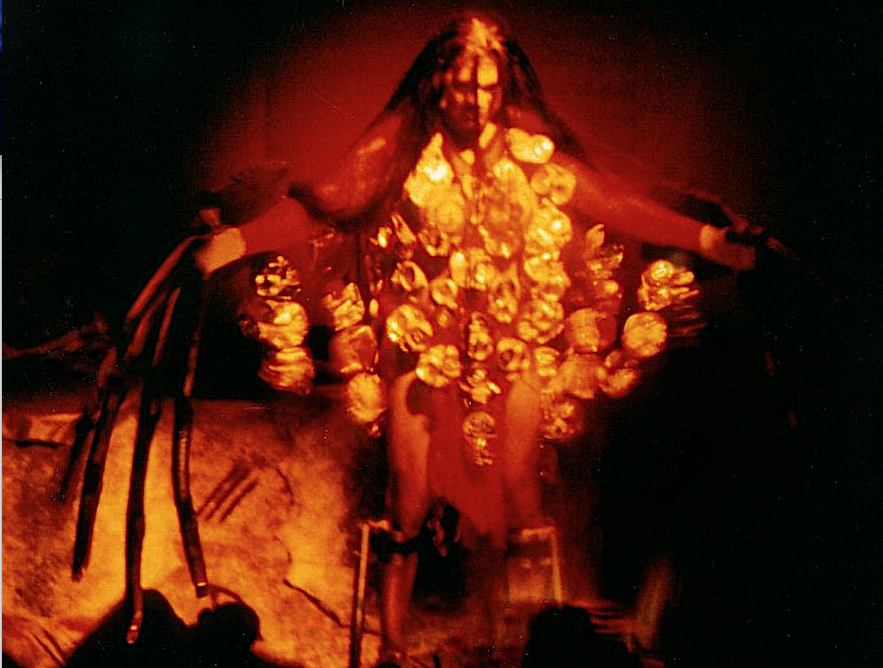
The characterization of legendary figures comes across as though in a dream. The imagery may not seem to make logical sense. Instead, the surreal atmosphere creates an emotional response, providing a primitive, inner understanding. This dream world allows the audience to bridge the gap between ancient and modern cultures. The dreamy quality of the production evokes a sense of eeriness and wonderment of the unknown.
—Fairbanks News-Miner, Alaska

Emandulo
Kwasa Group
Durban, South Africa
Devised/Directed
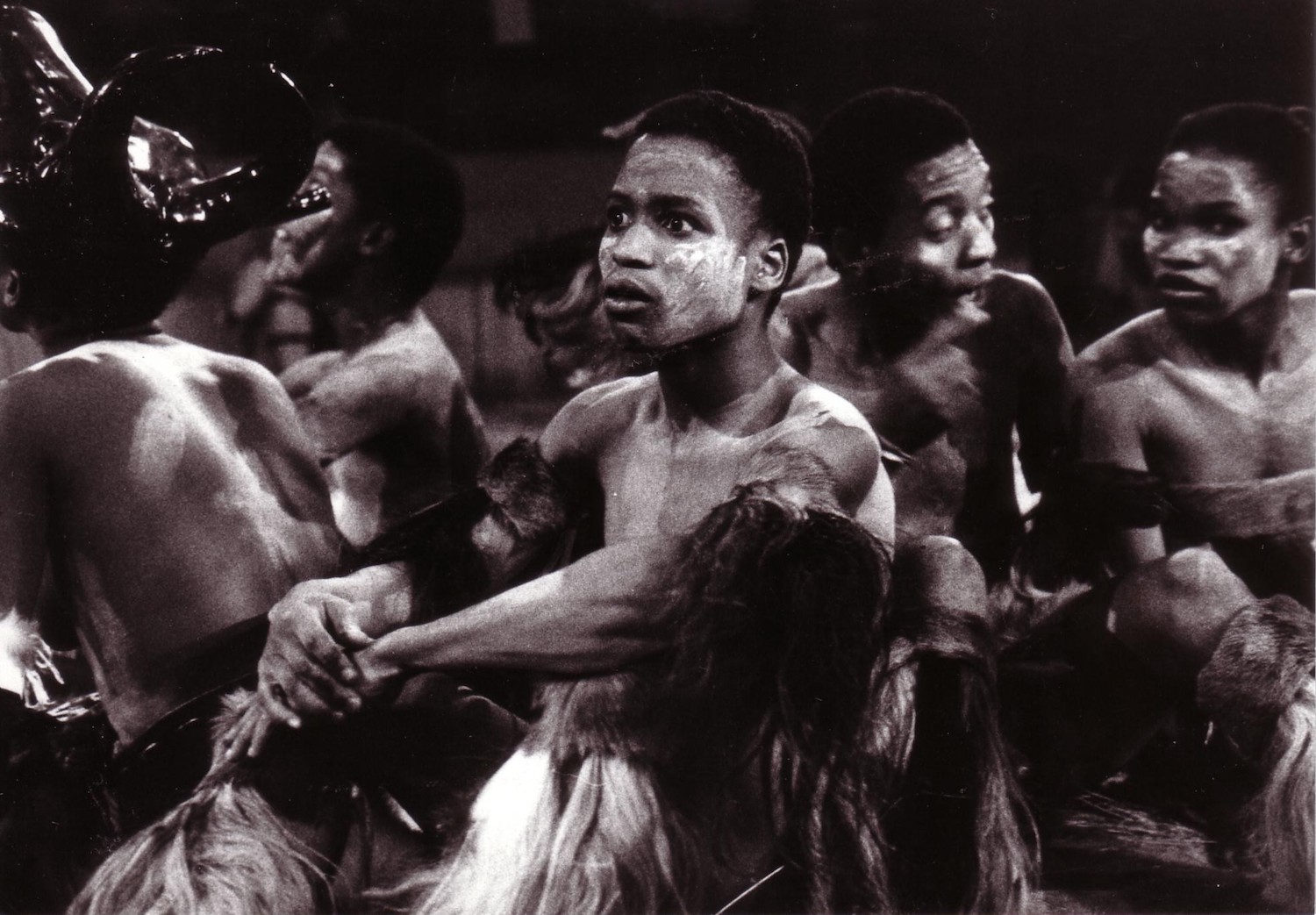
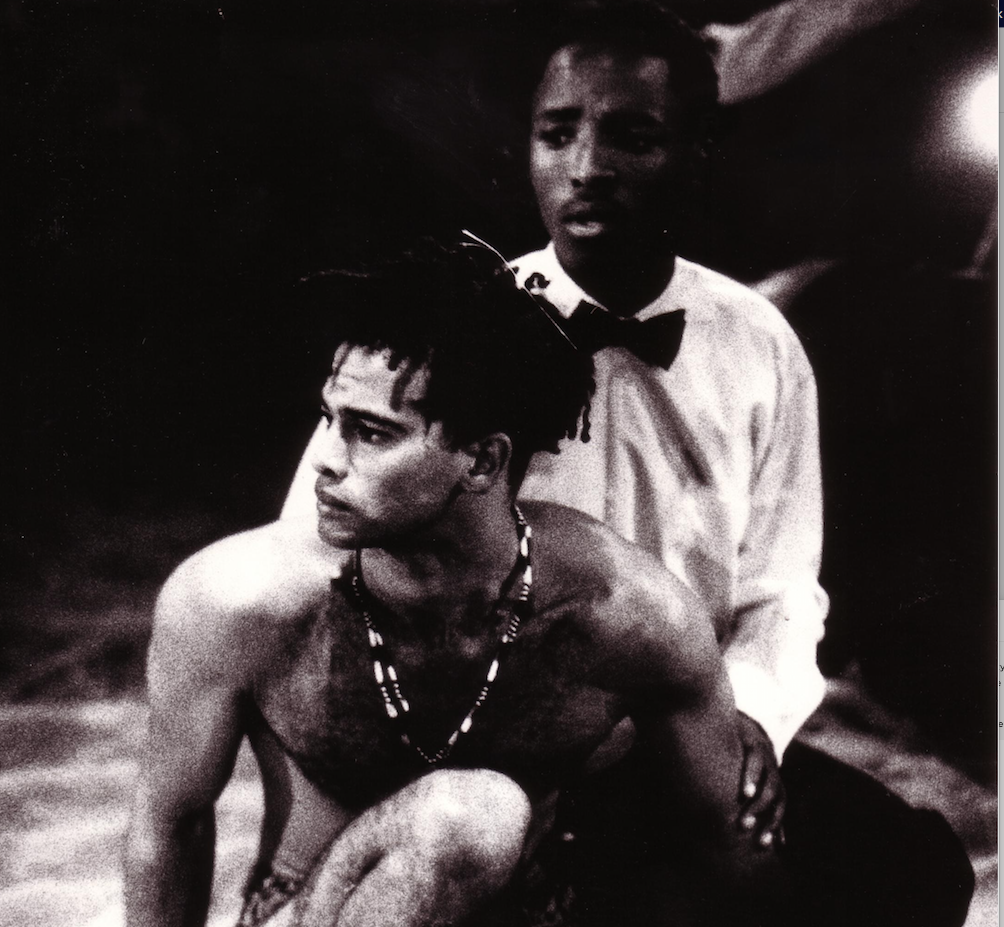
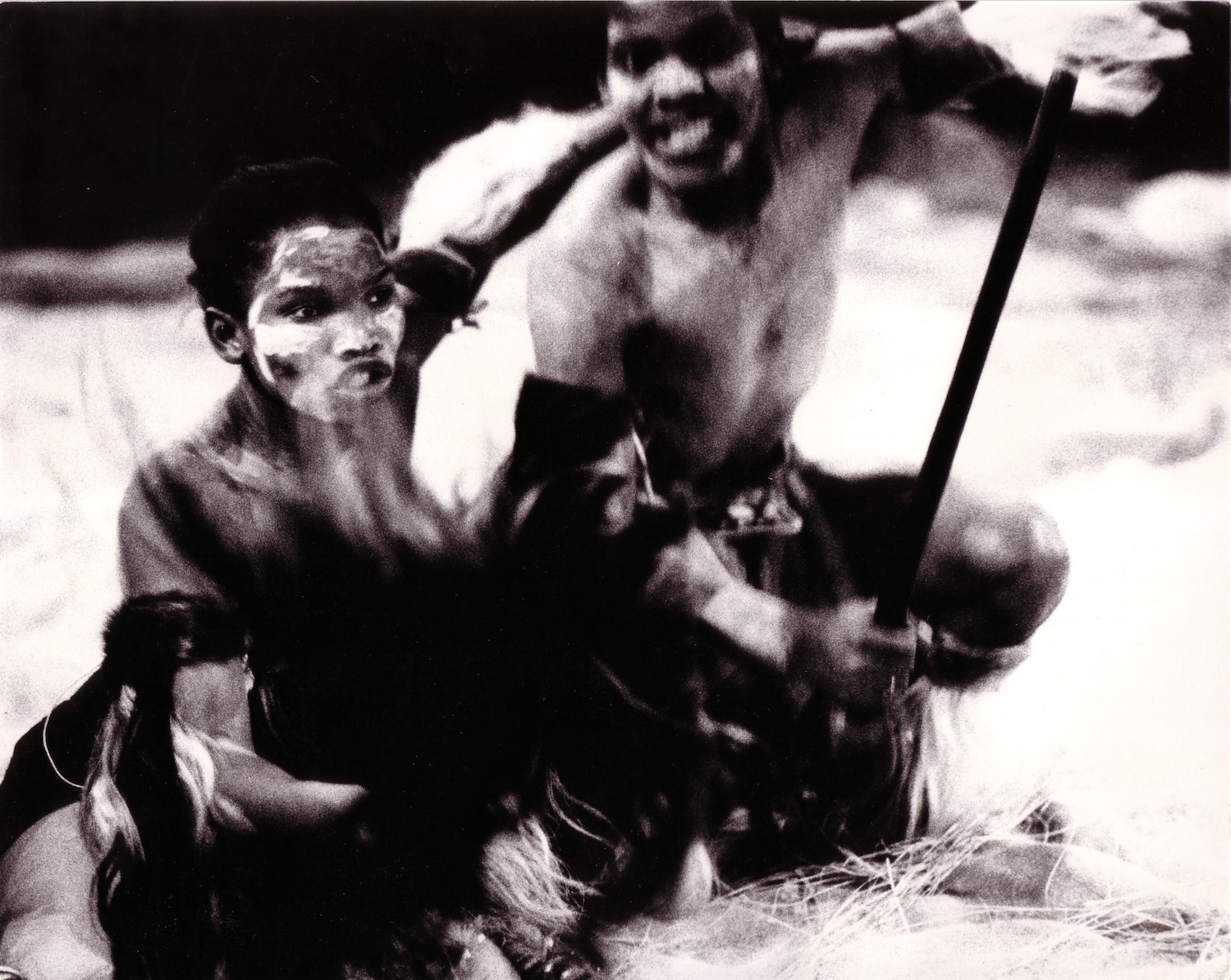

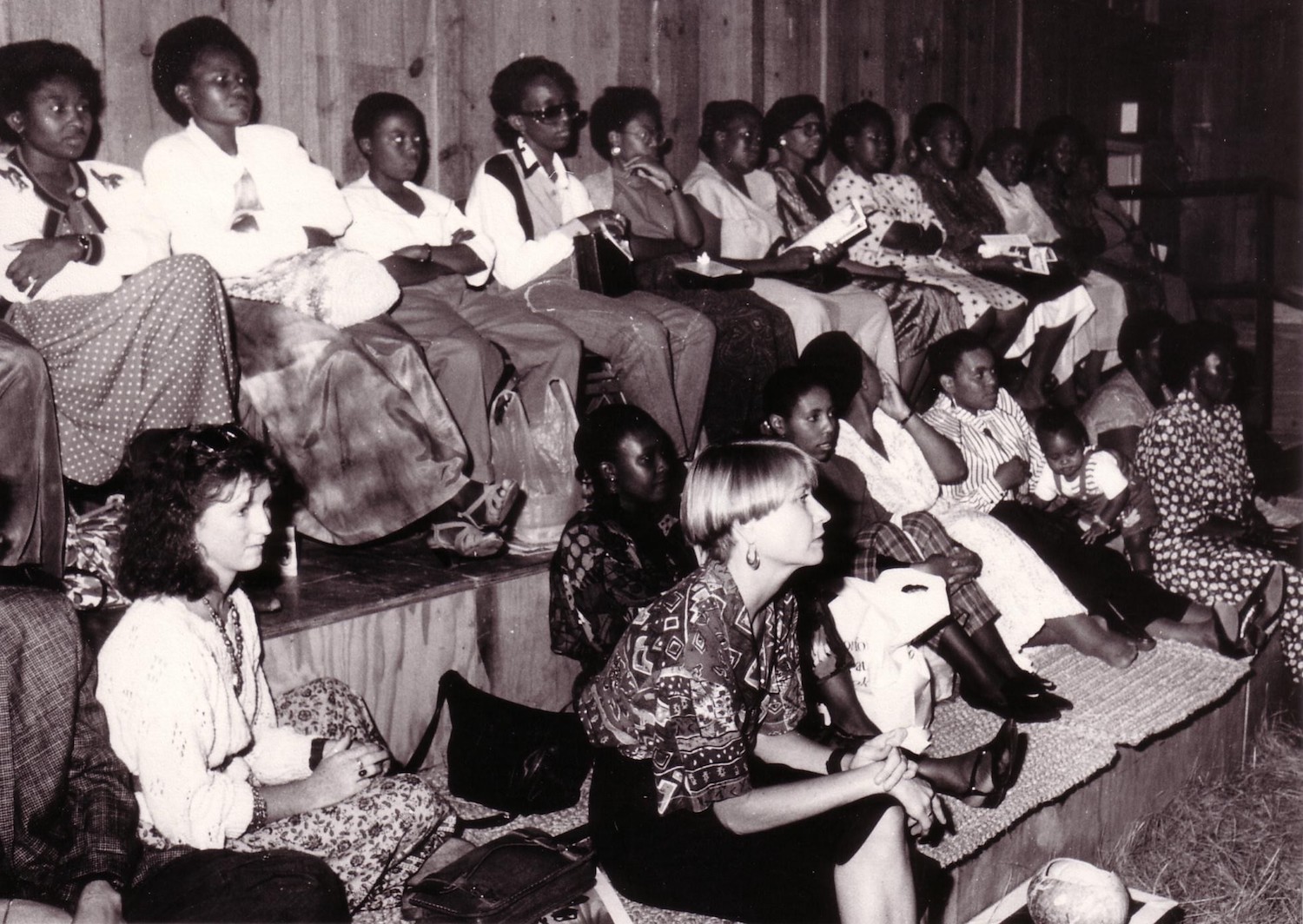
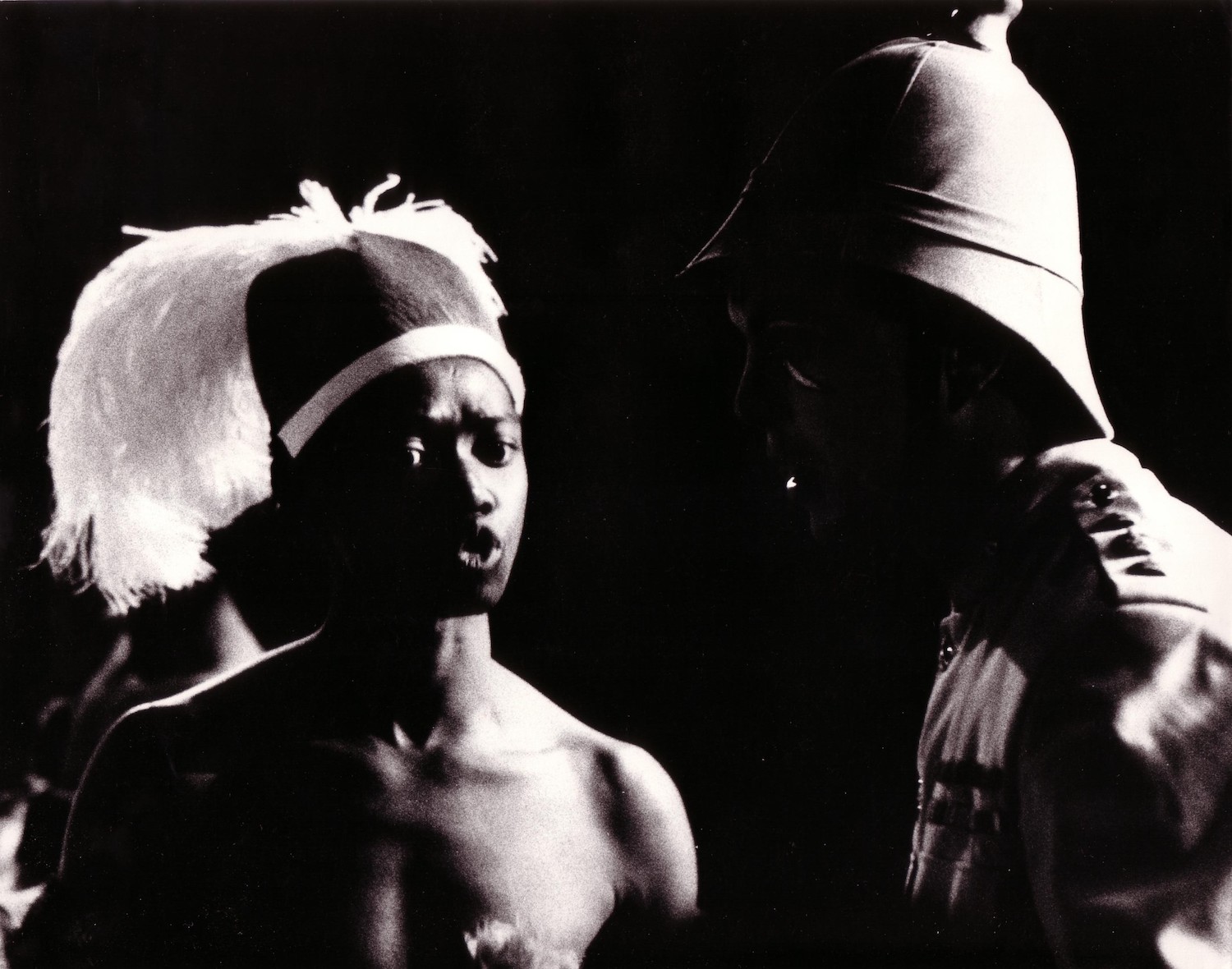
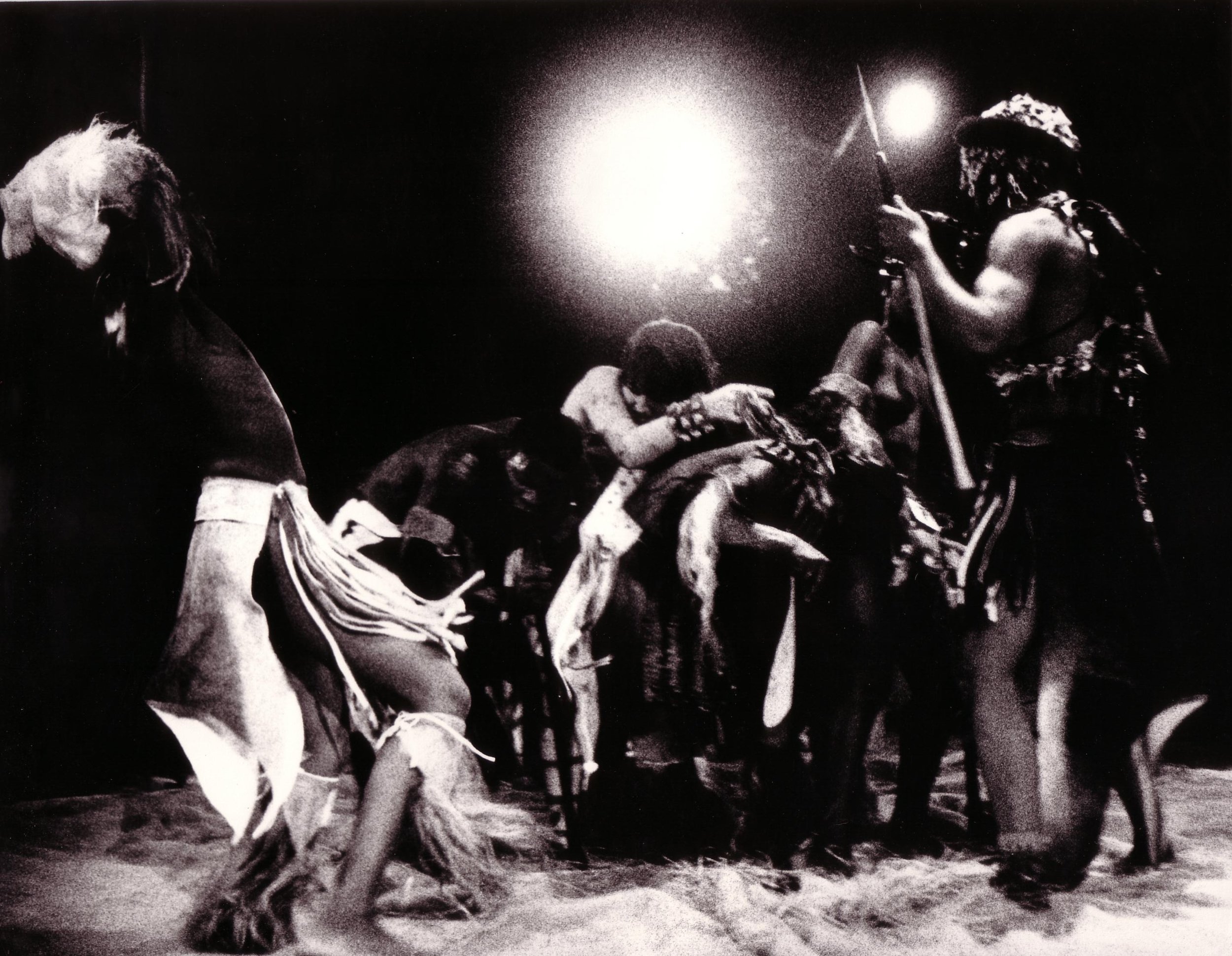


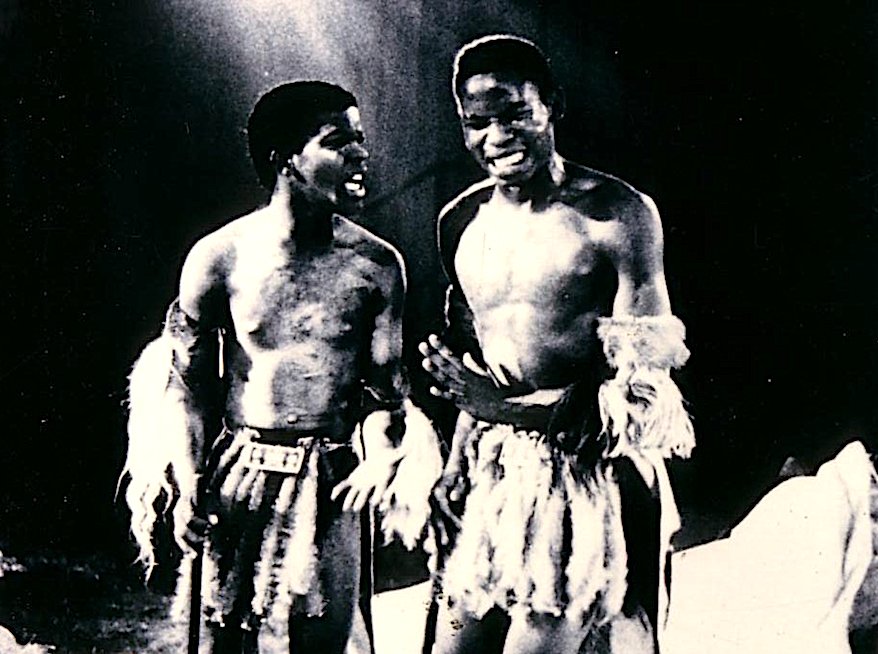
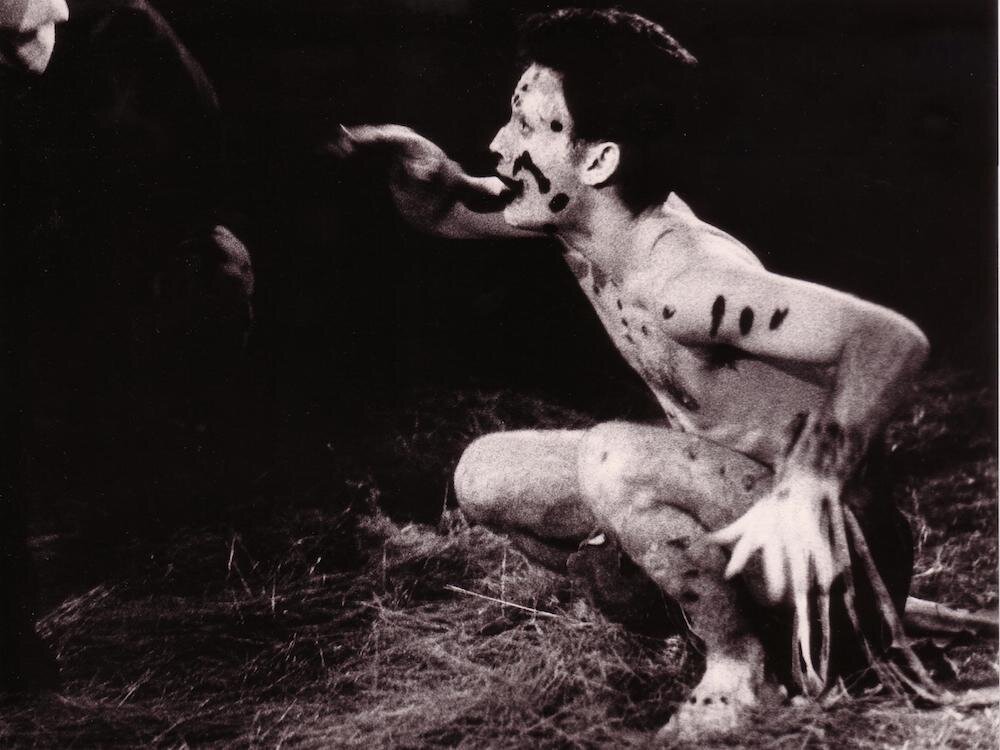


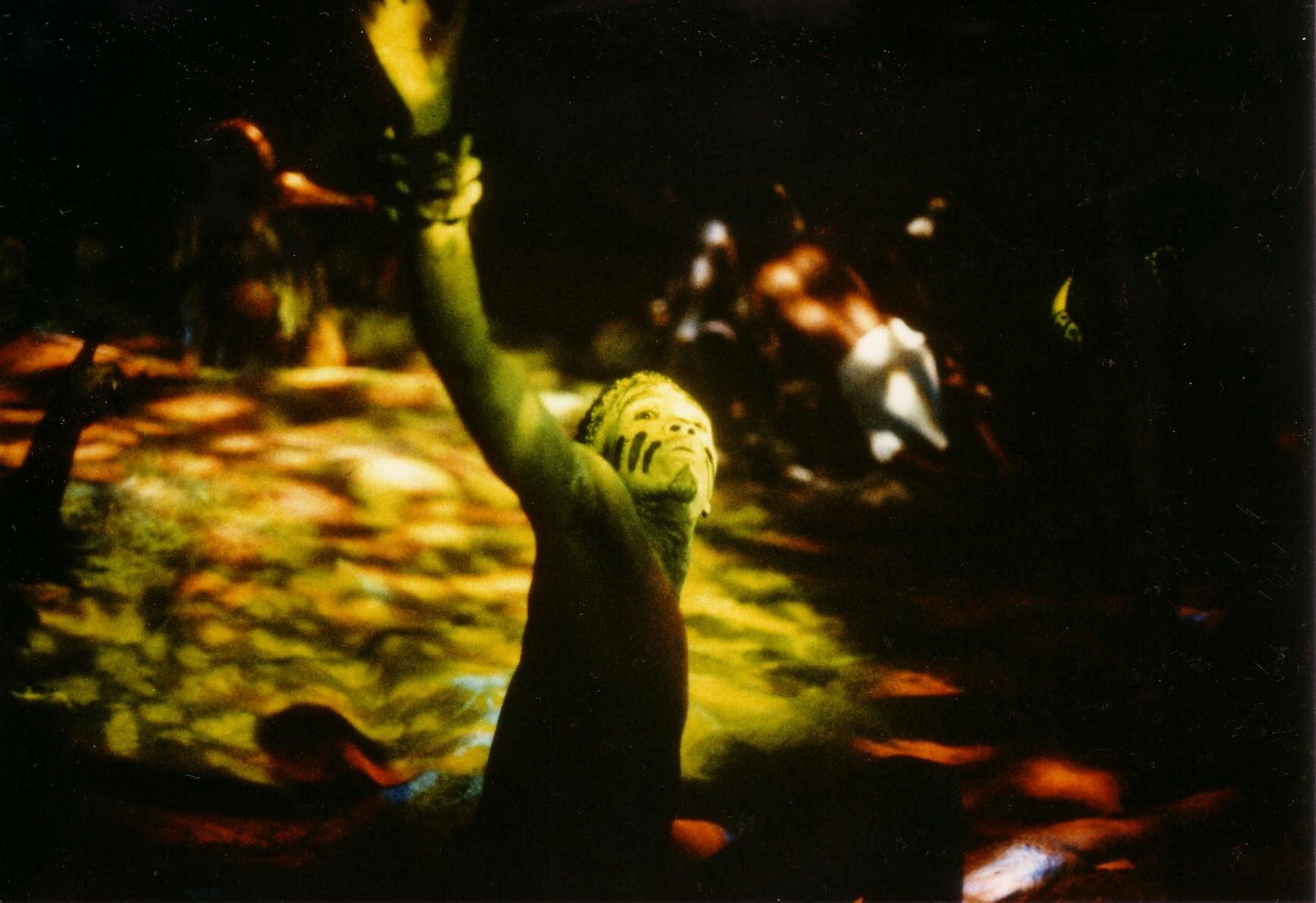
NAPAC is to be saluted for bringing someone of Riccio's caliber and commitment to South Africa. I recommend you drop your defenses and let yourself have an extraordinary experience.
—Natal Witness, South Africa
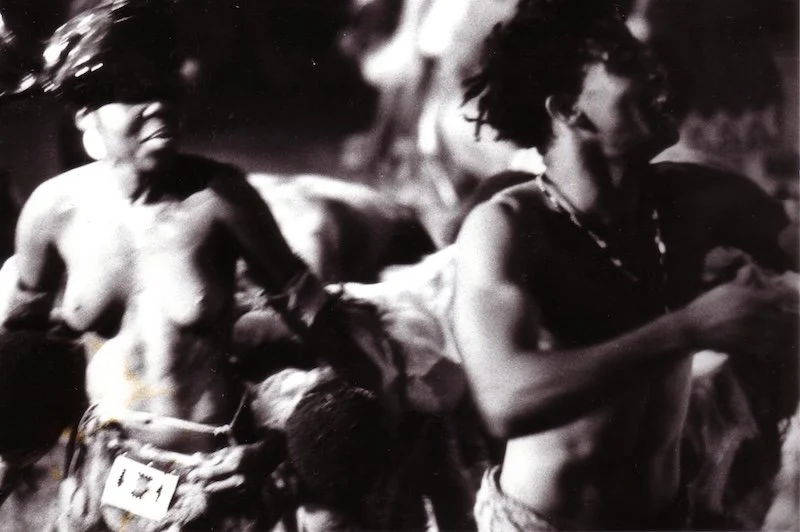
Video excerpt / 2:34
Qayaq: The Magical Man
Tuma Theatre
devised/directed
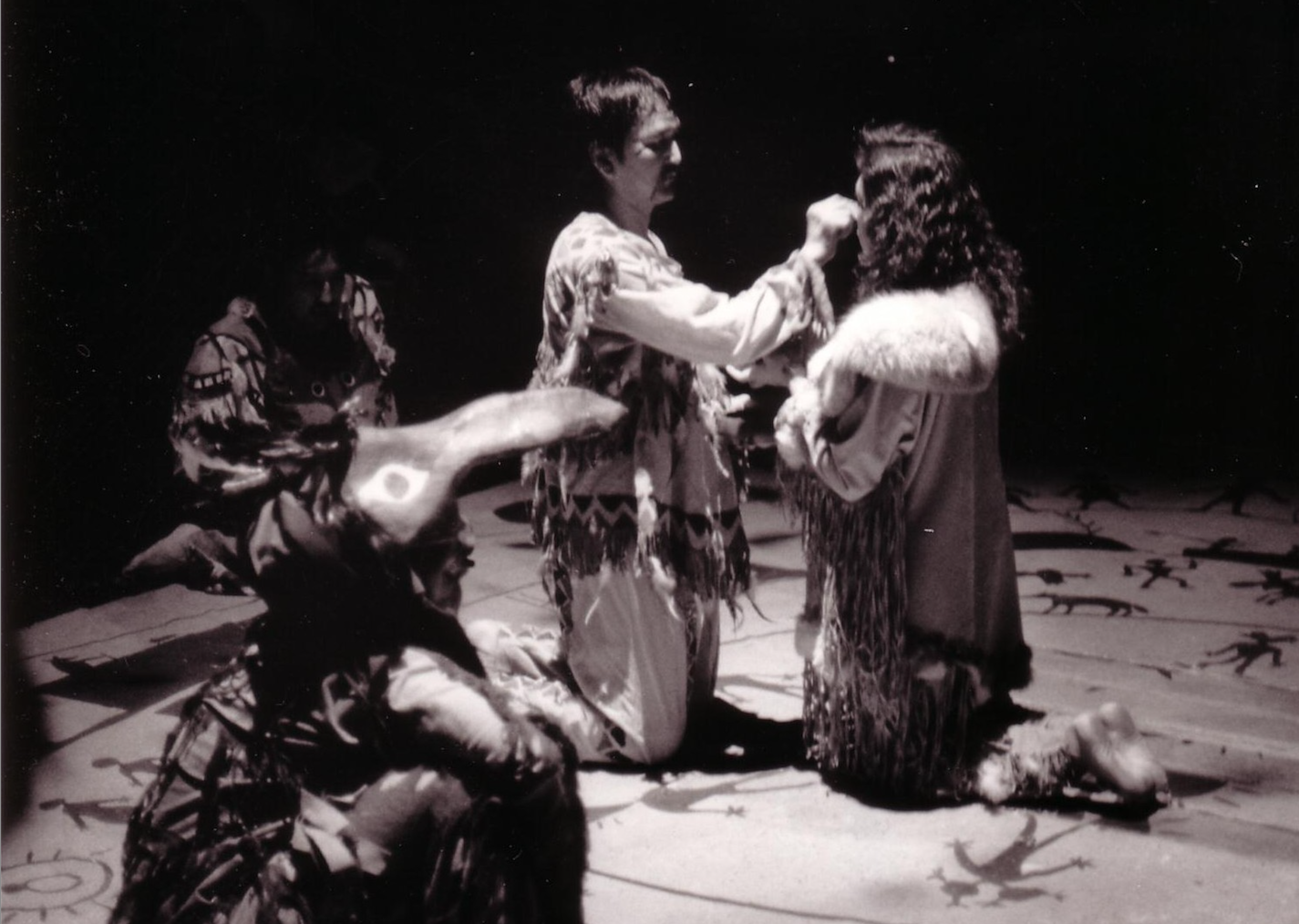
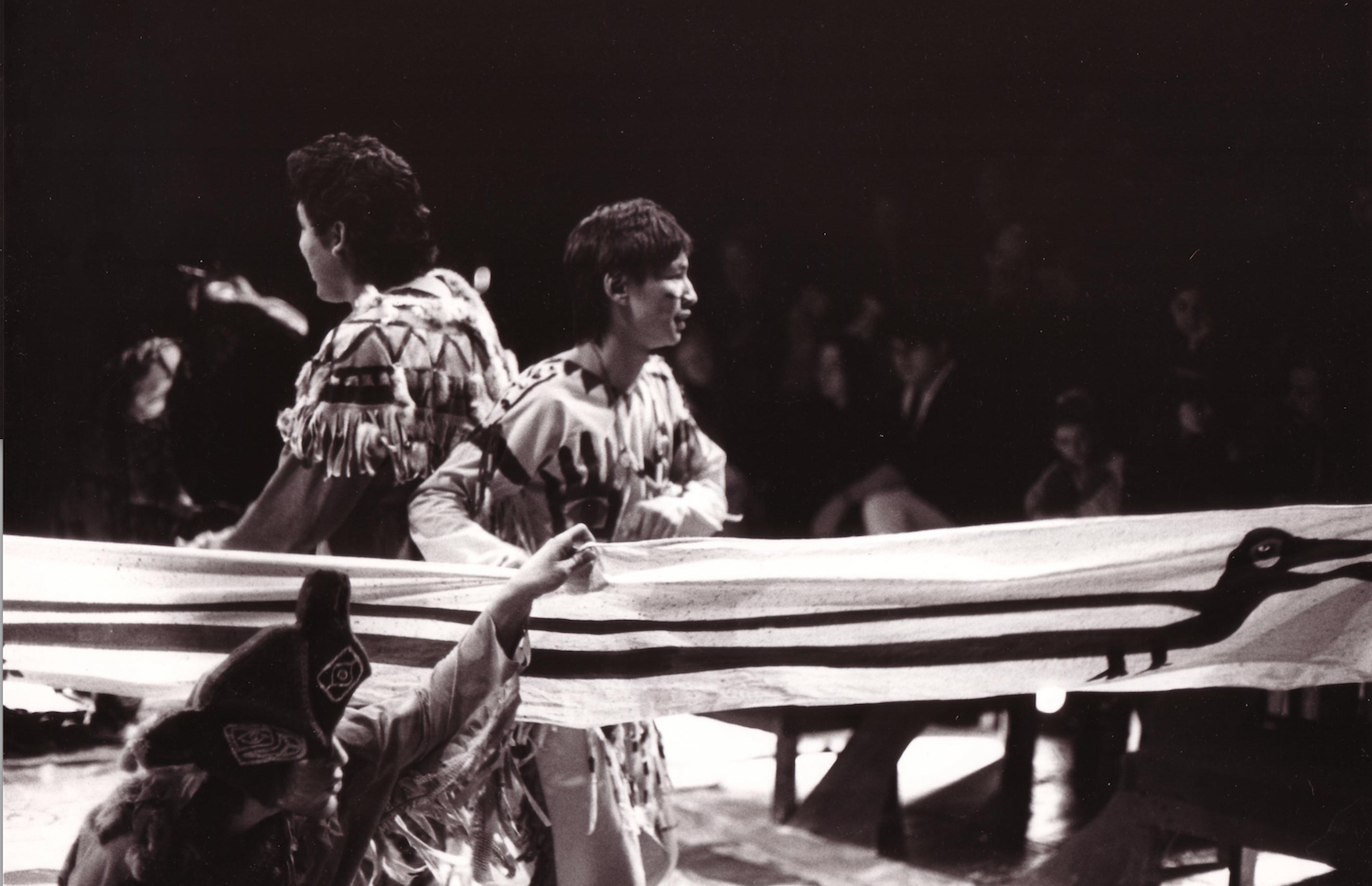

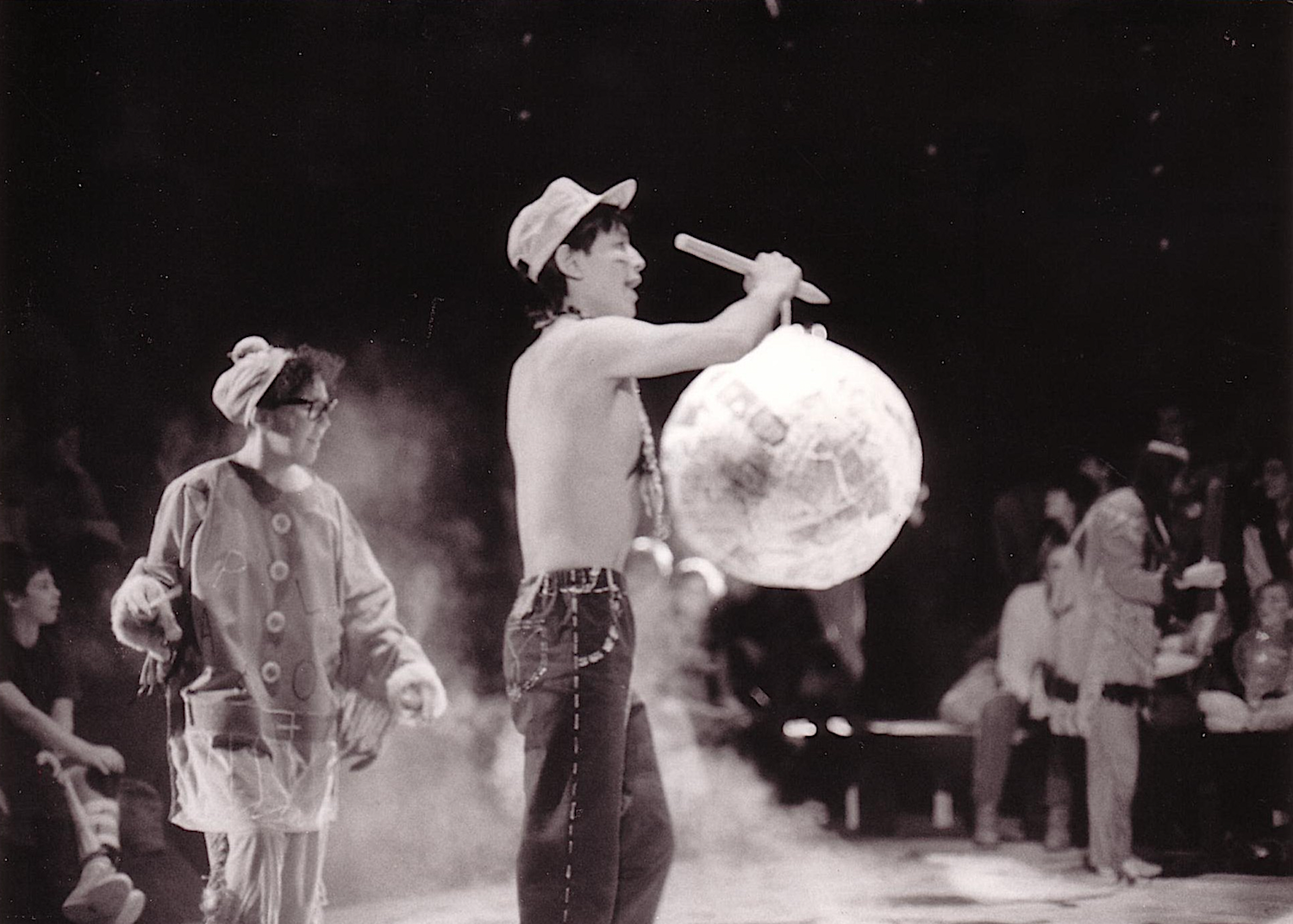
An impressive achievement and a mesmerizing celebration of the richness of Alaska Native culture.
—Fairbanks News-Miner, Fairbanks, Alaska
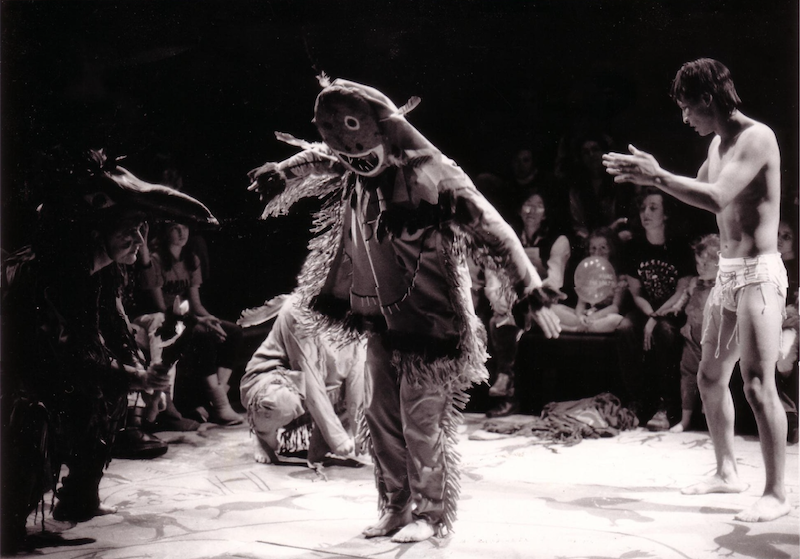
Performance documentation / 1:09:44
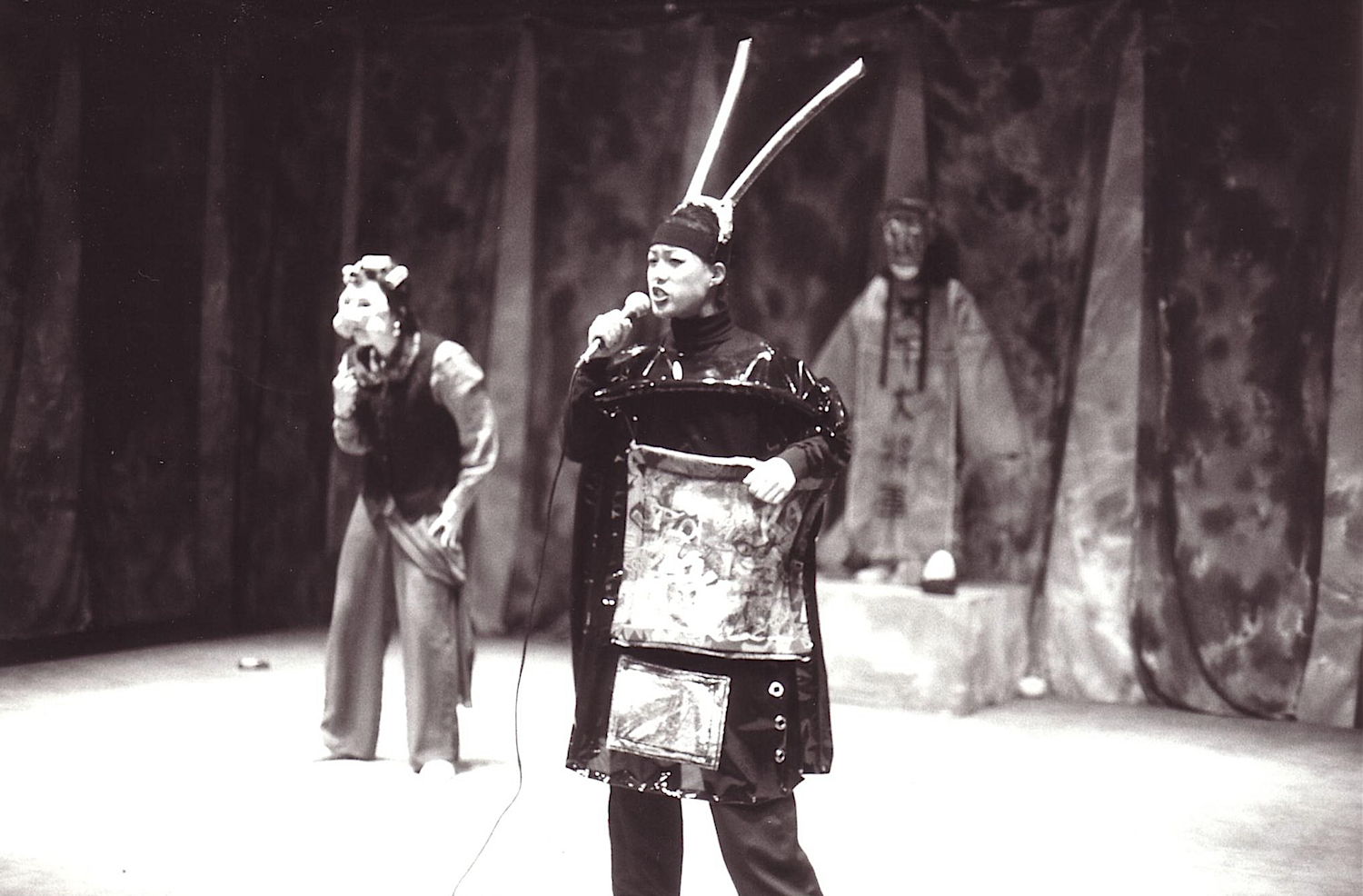
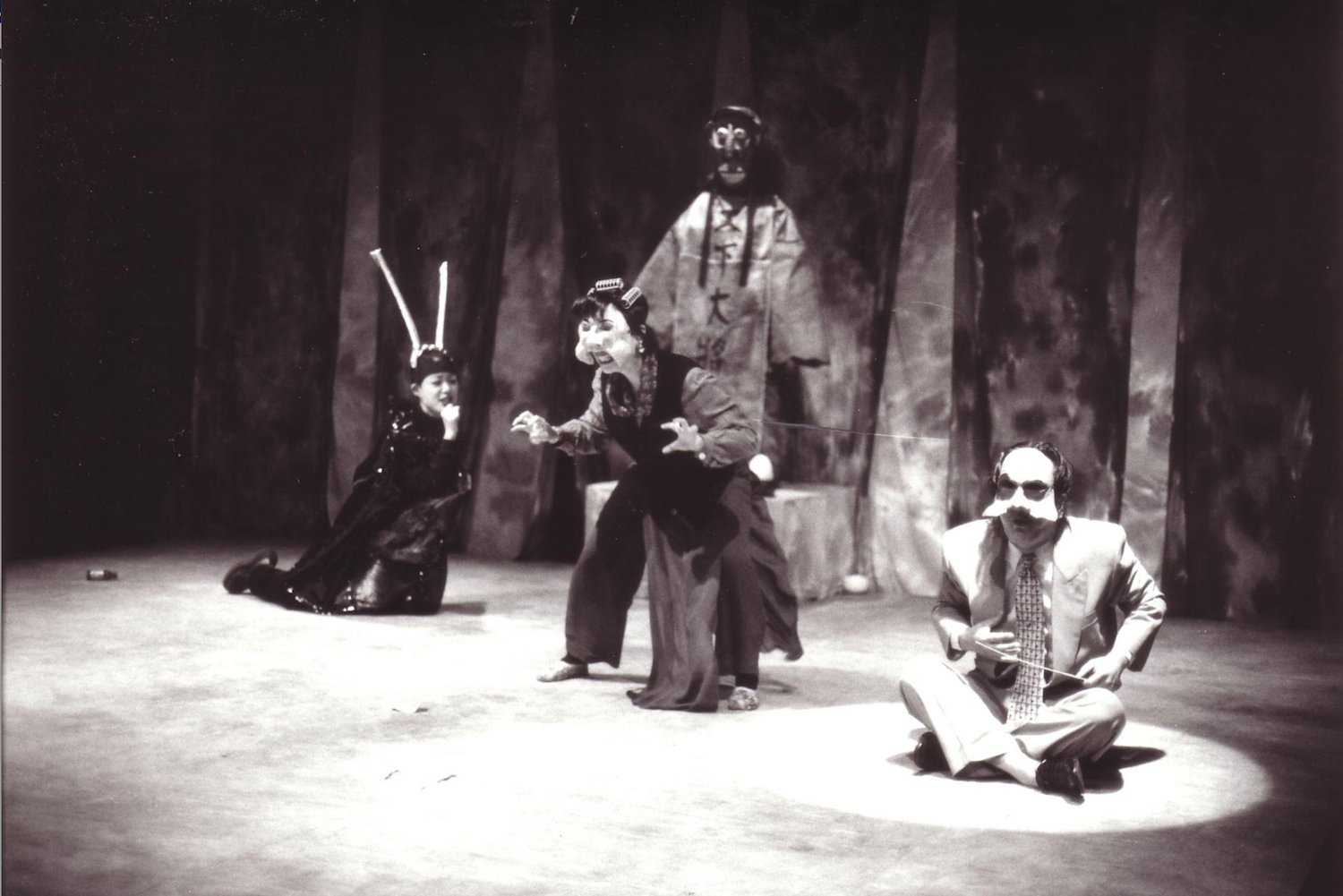
Twelve Moons
Korean National University
Seoul
devised/director
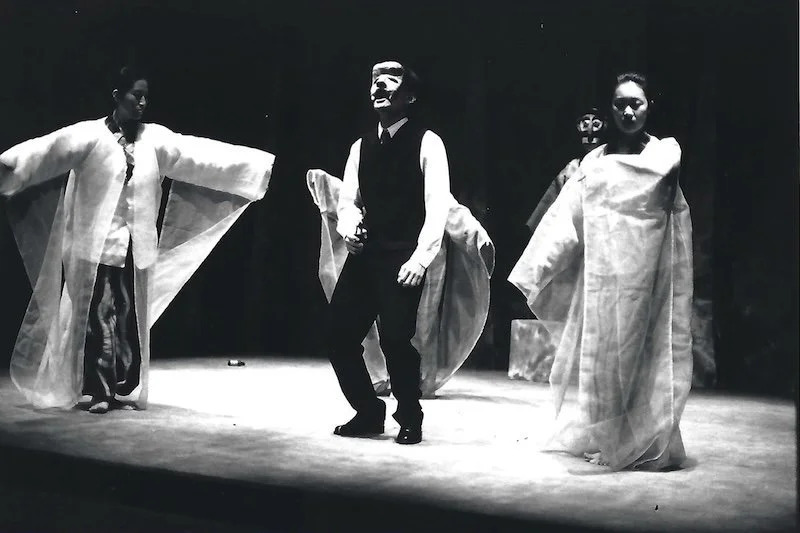
Video excerpt / 1:28
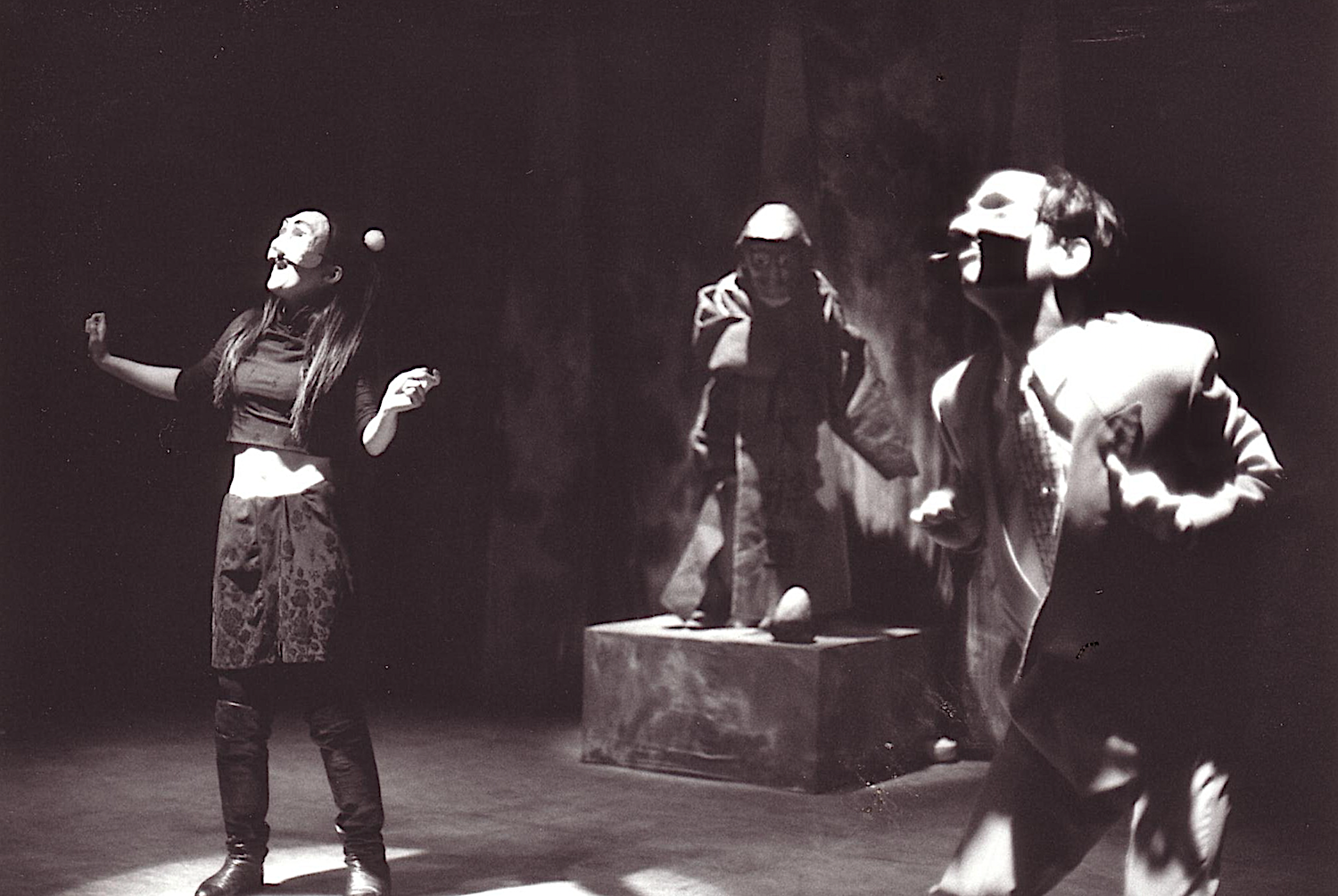
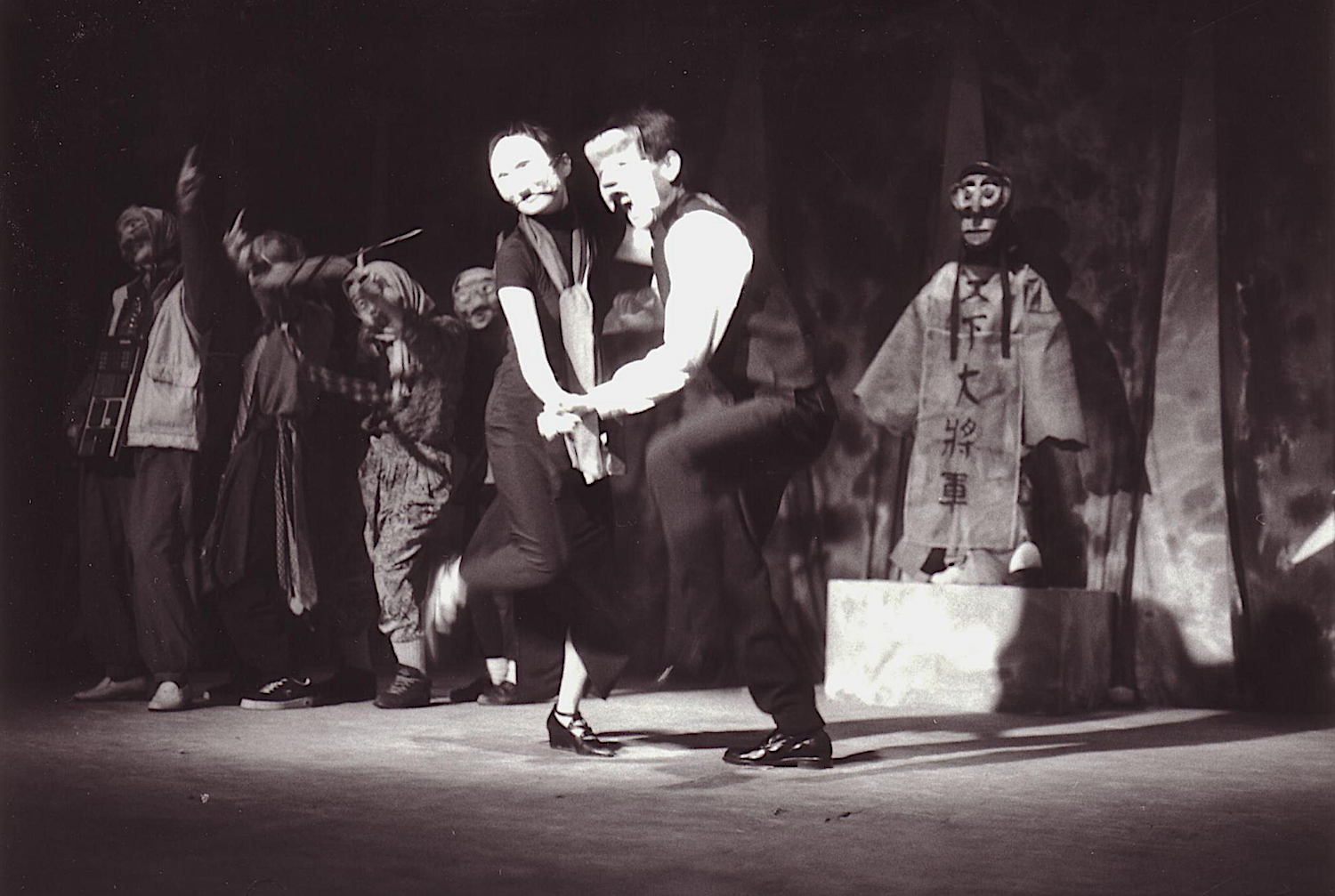
The man who is insisting that Koreans embrace their own ways is ironically an American a person we might usually consider an imperialist. Regrettably, Thomas Riccio, a director and playwright, is not Korean.
—Che Min Ilbo, Korea





Imipashi
Centre for the Arts
Lusaka, Zambia
National Tour
devised/directed
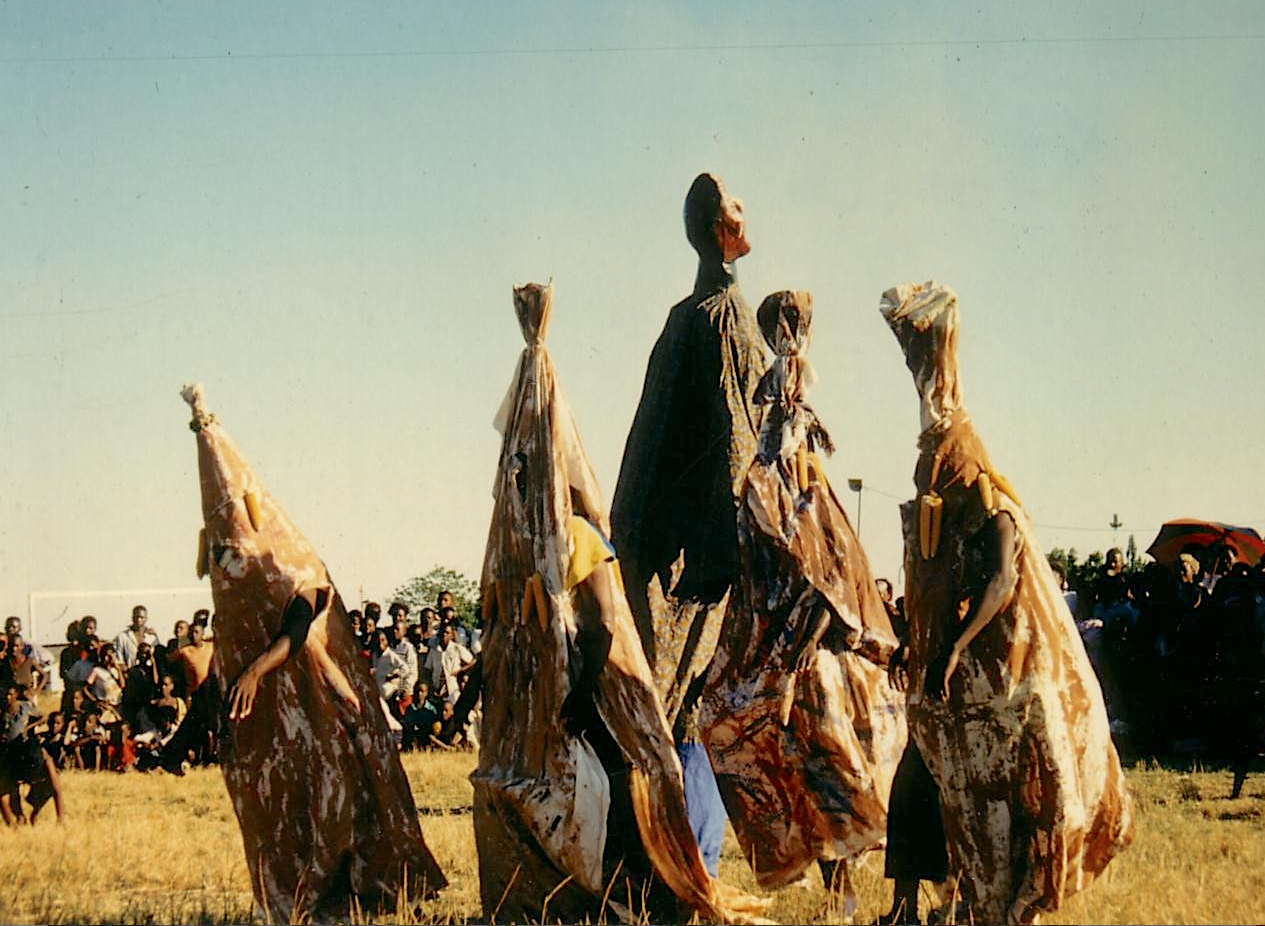


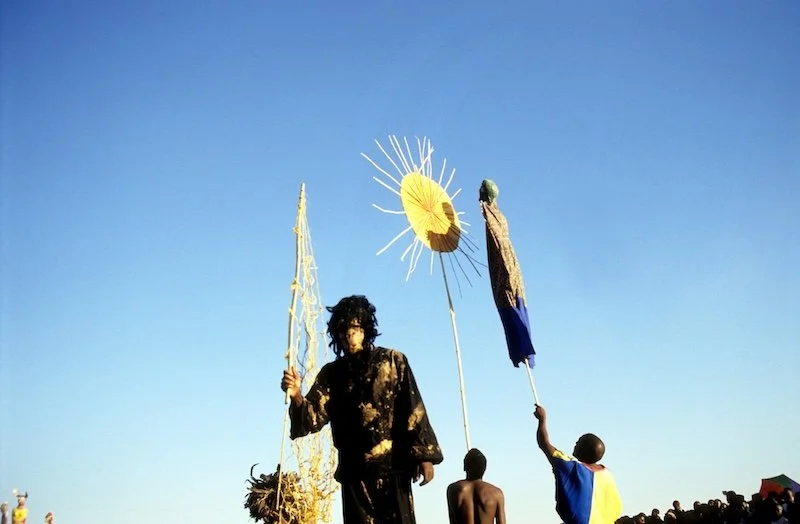


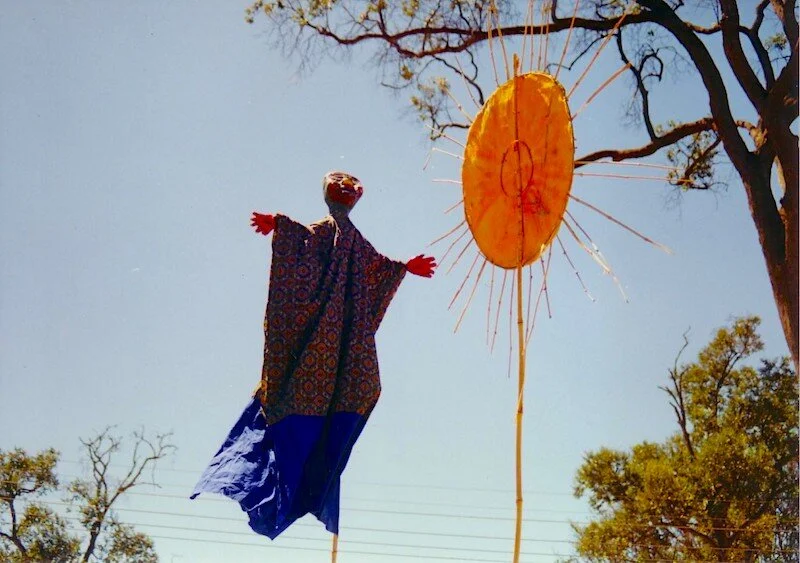
'Imipashi' re-imagines Zambian's rich resources in mythology, songs, dances, ritual, and ceremonial practice to create a ritual performance for today. Using traditionally inspired performance language, it explores, through metaphor, the collapse of traditional values in modern Zambia. The story continues with the evolution of a renewed cultural awareness and creative spirit that ultimately establishes a new hope for a modern, multicultural Zambia.
—The Weekly Standard, Lusaka, Zambia

Video excerpt / 12:28

Sardaana
Sakha National Theatre
Yaktusk, Siberia
devised/directed
Video excerpt / 2:40
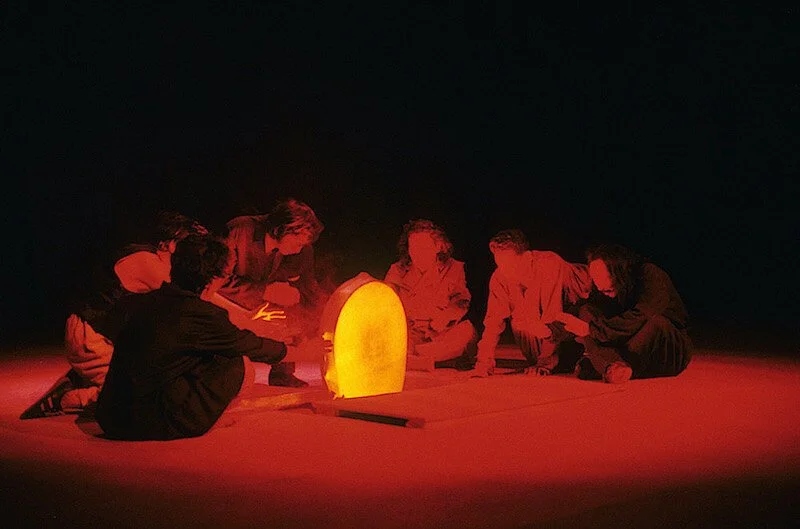
The much-anticipated season finale has come with a sensational play: Sardaana. After two months of intensive preparation by director Thomas Riccio and the actors of the Sakha National Theatre, the play opened, elicited laughter, surprised, and, in the end, changed the viewer's soul.
—Sakha Daily, Siberia
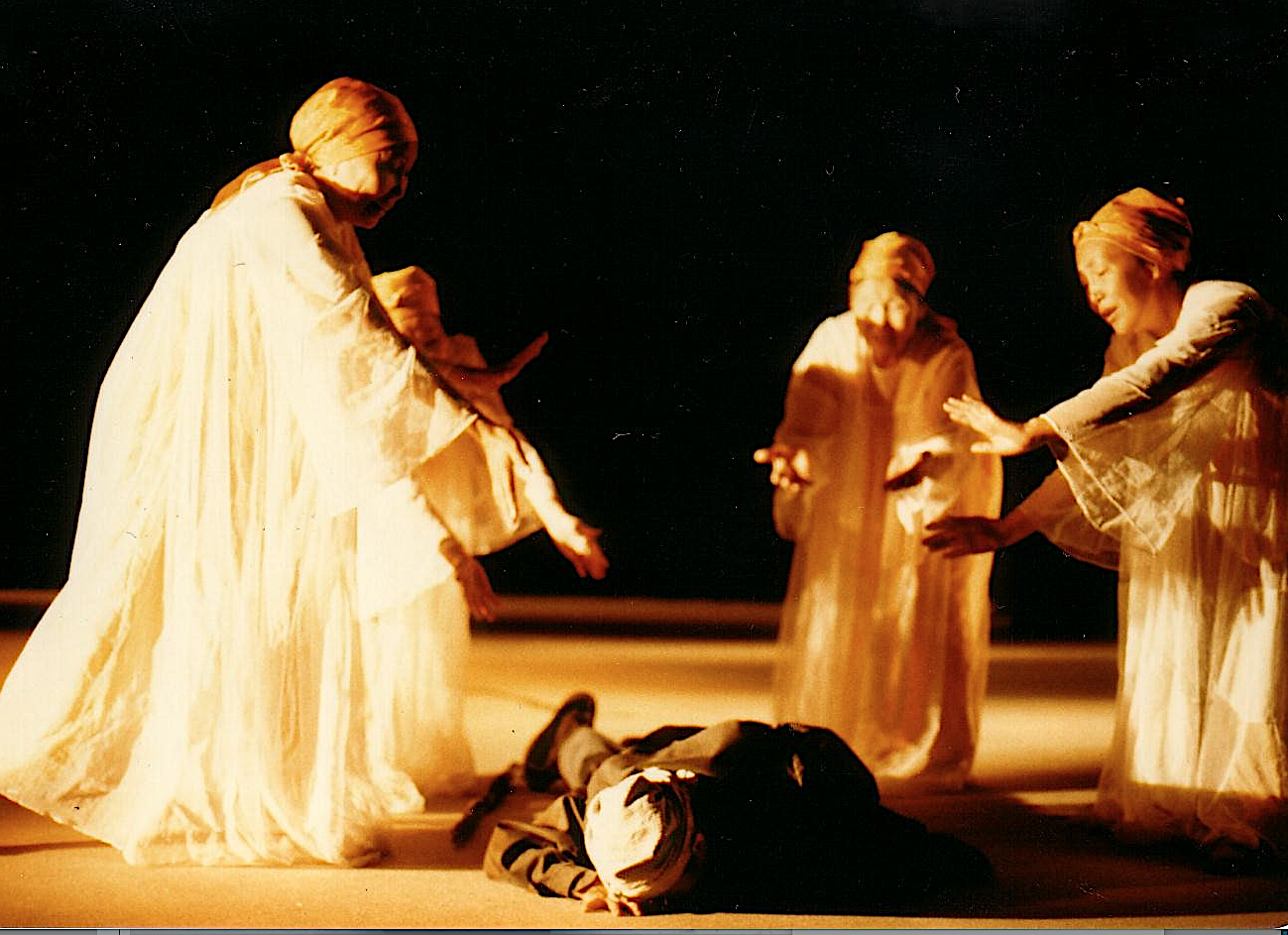
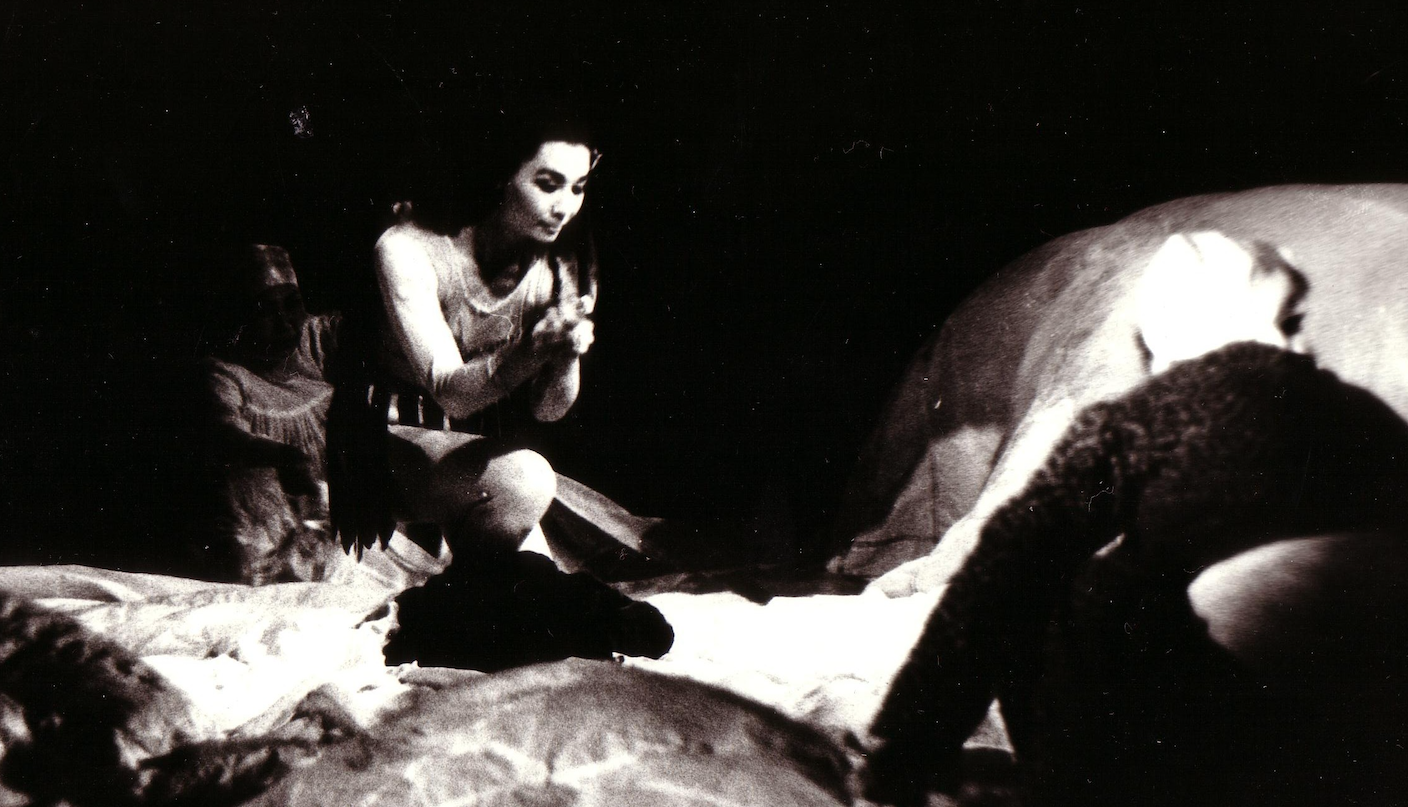
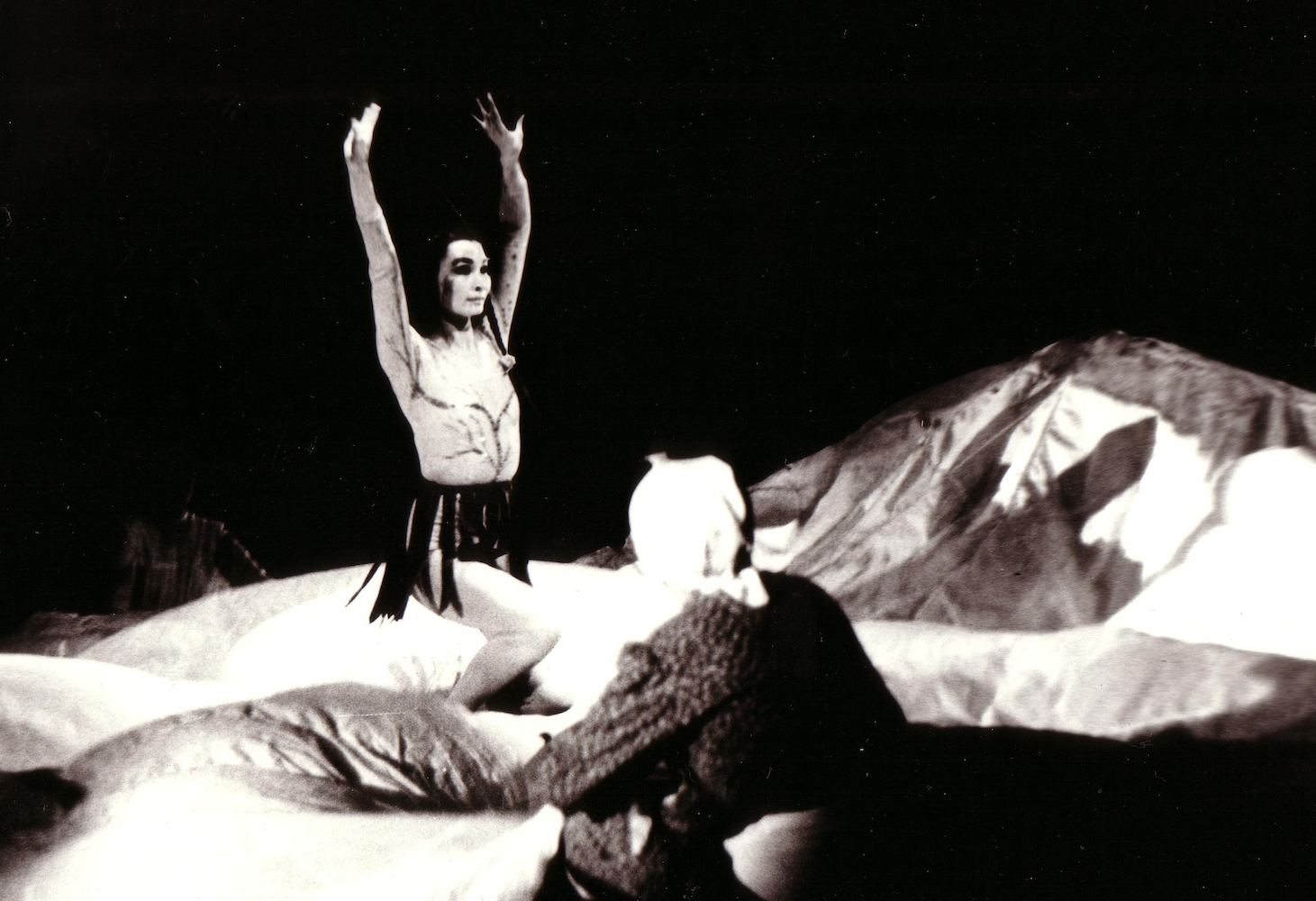
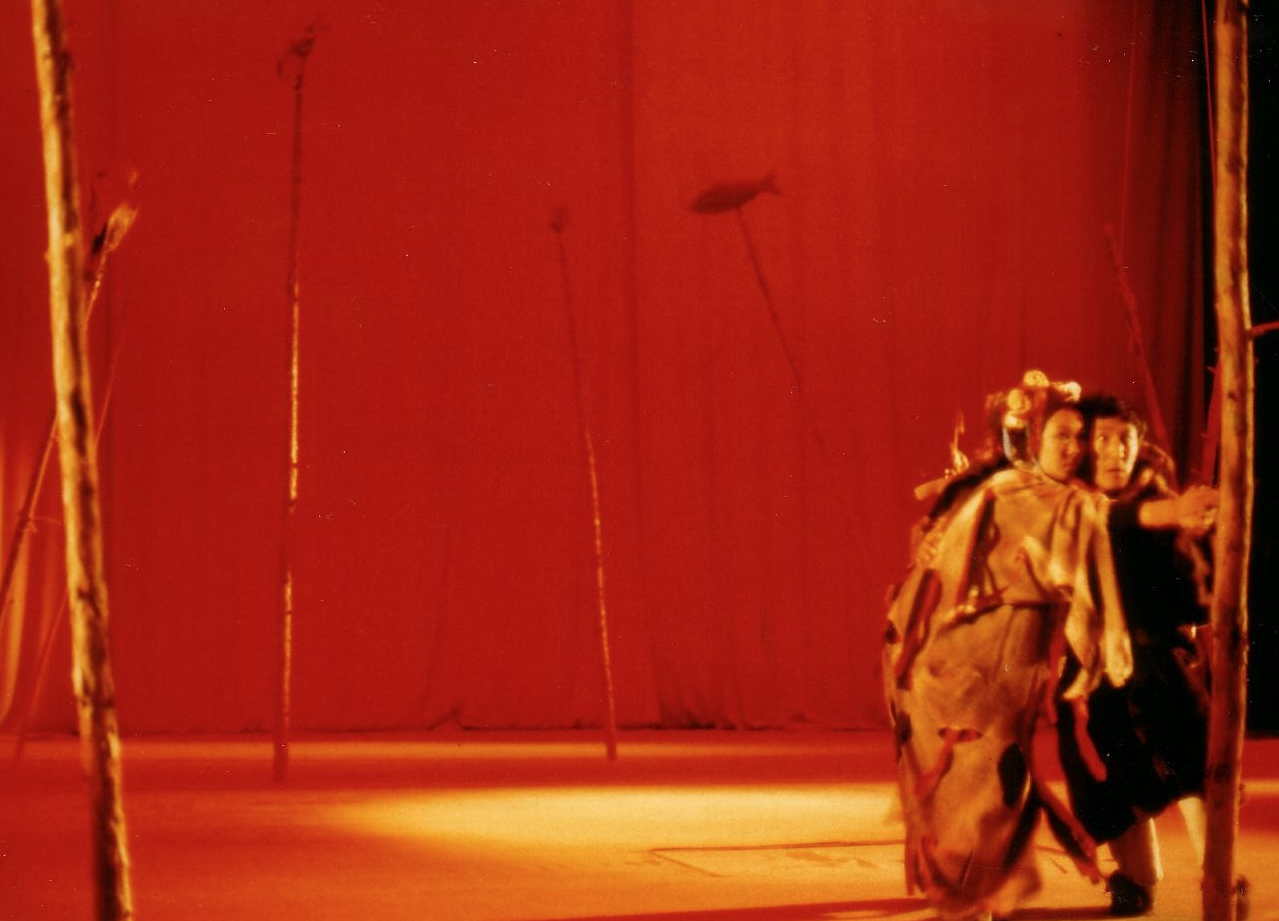

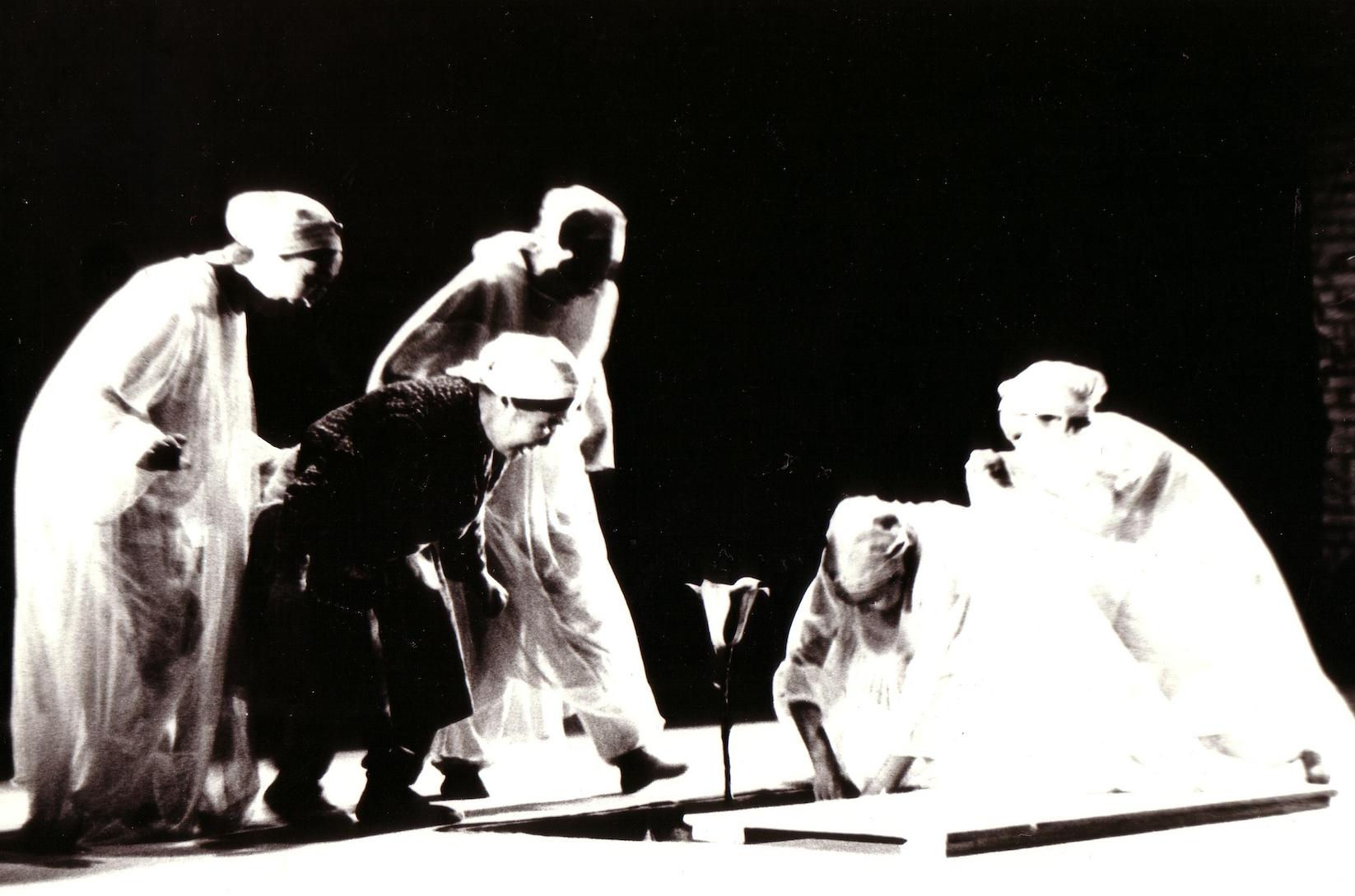

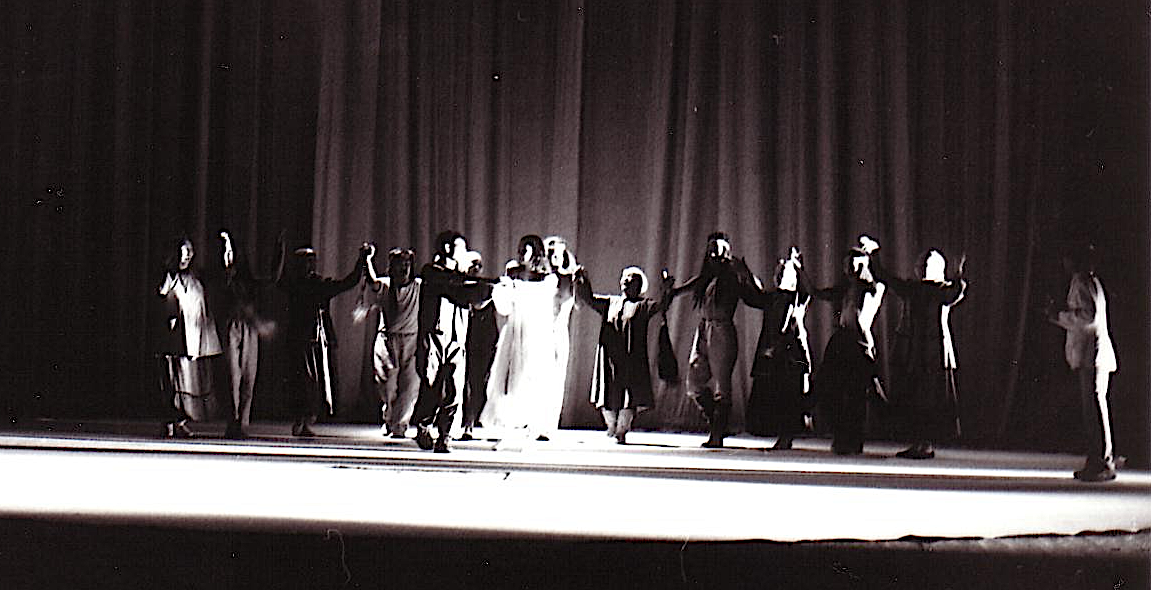
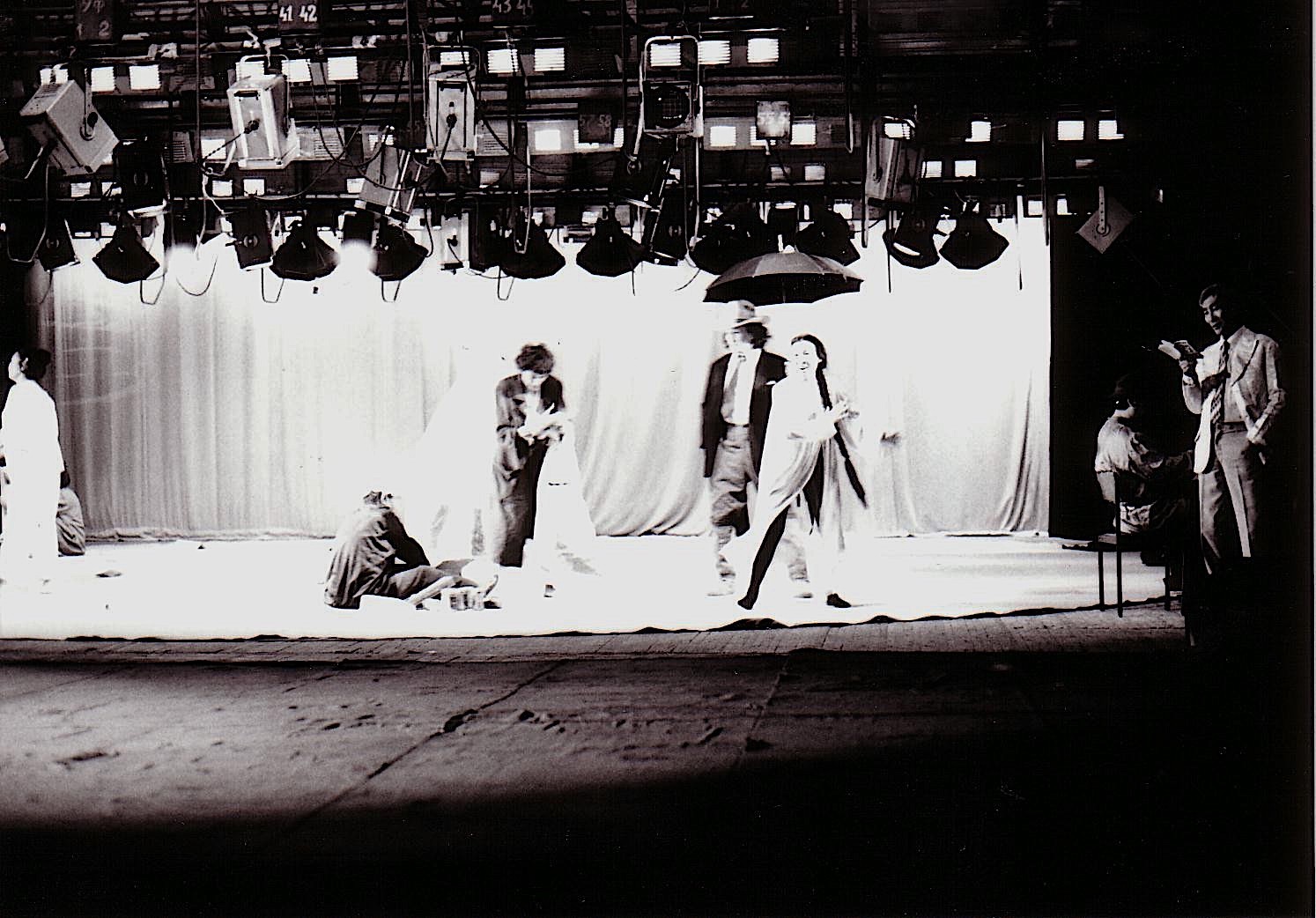
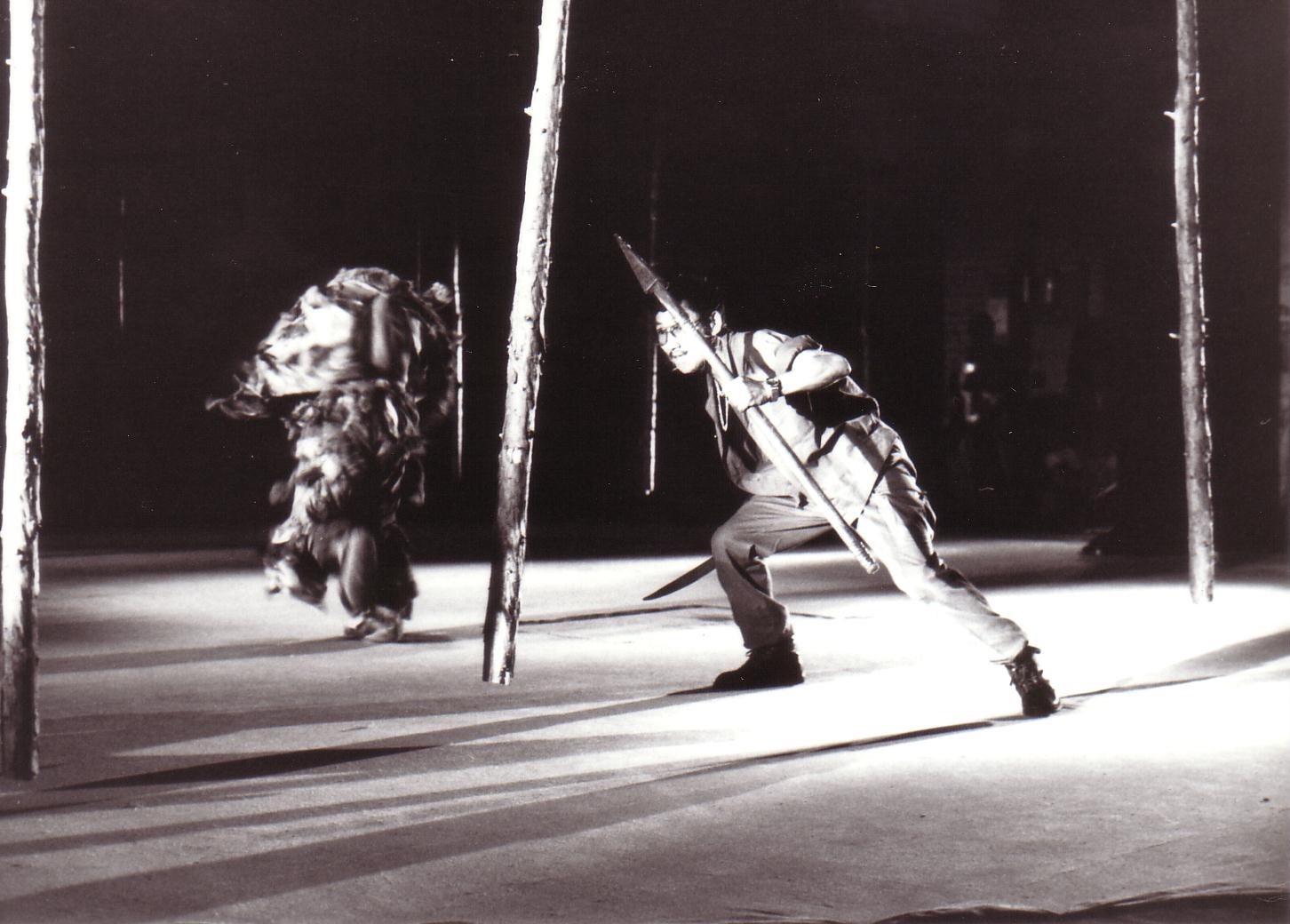
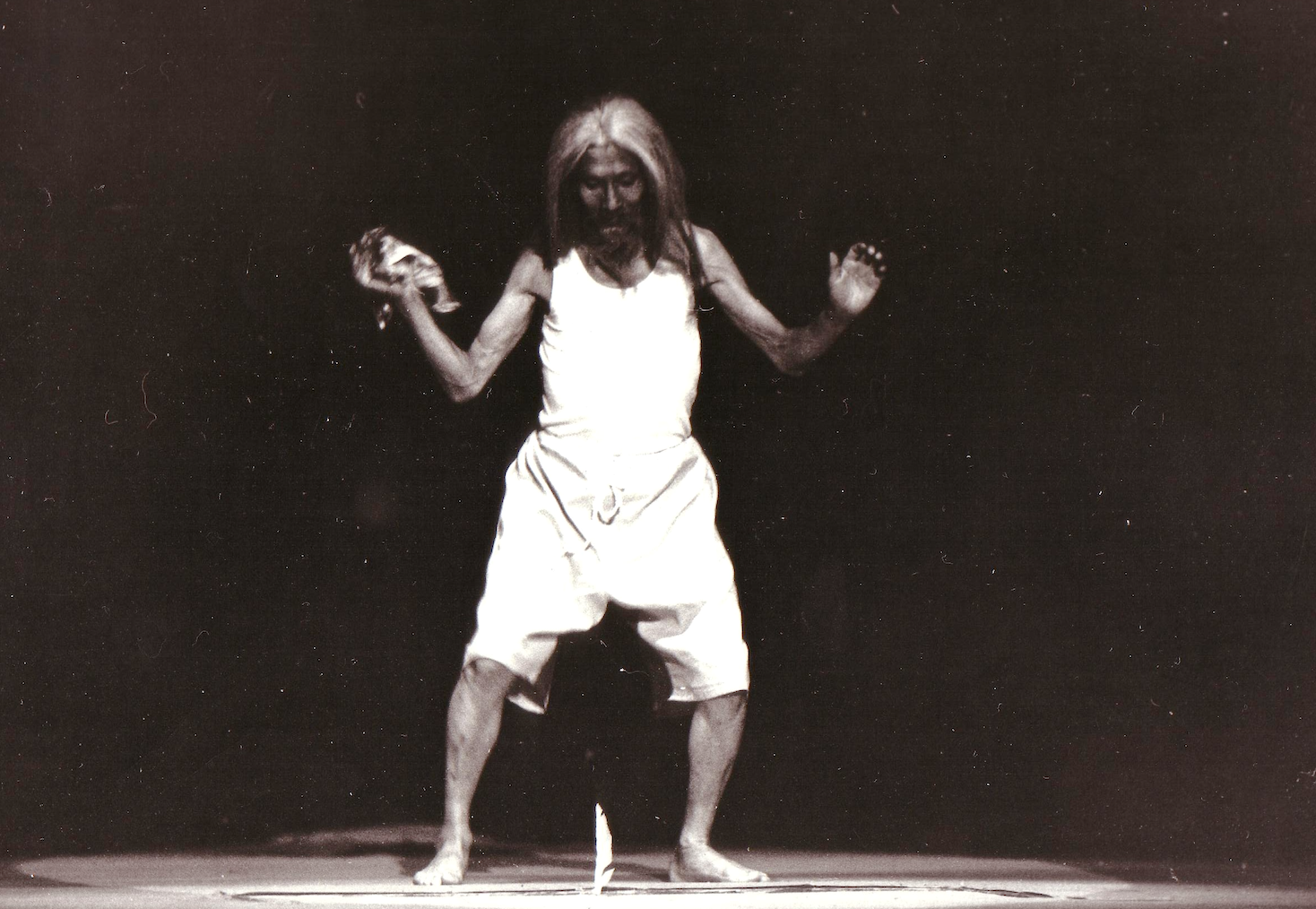
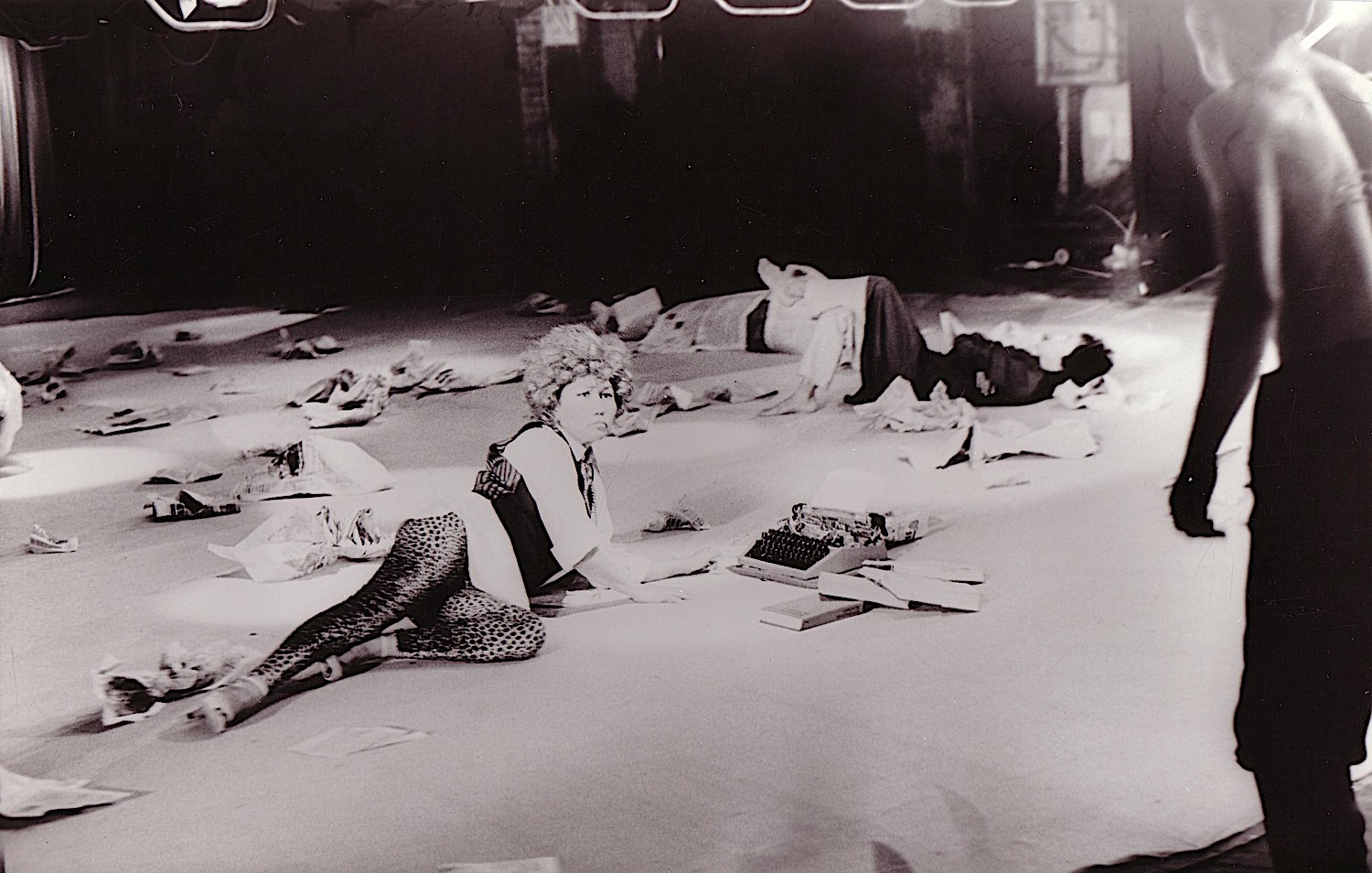
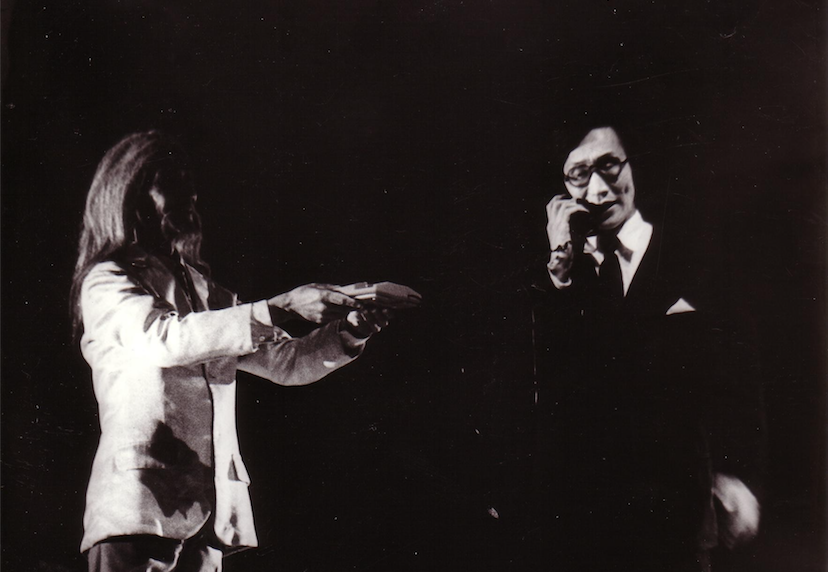
A performance produced by the Sakha National Theatre (Siberia) 1993. Inspired by a Sakha folk tale of Bayberican, the woman with five cows, who discovers a rare Sardaana flower in the woods. The flower transforms into a beautiful woman that is bewitched by the Soviet Union. A political allegory for Sakha renewal after forced occupation by Russia and then the Soviet Union.


Utetmun
Tuma Theatre, Alaska
by Paul Jumbo
directed

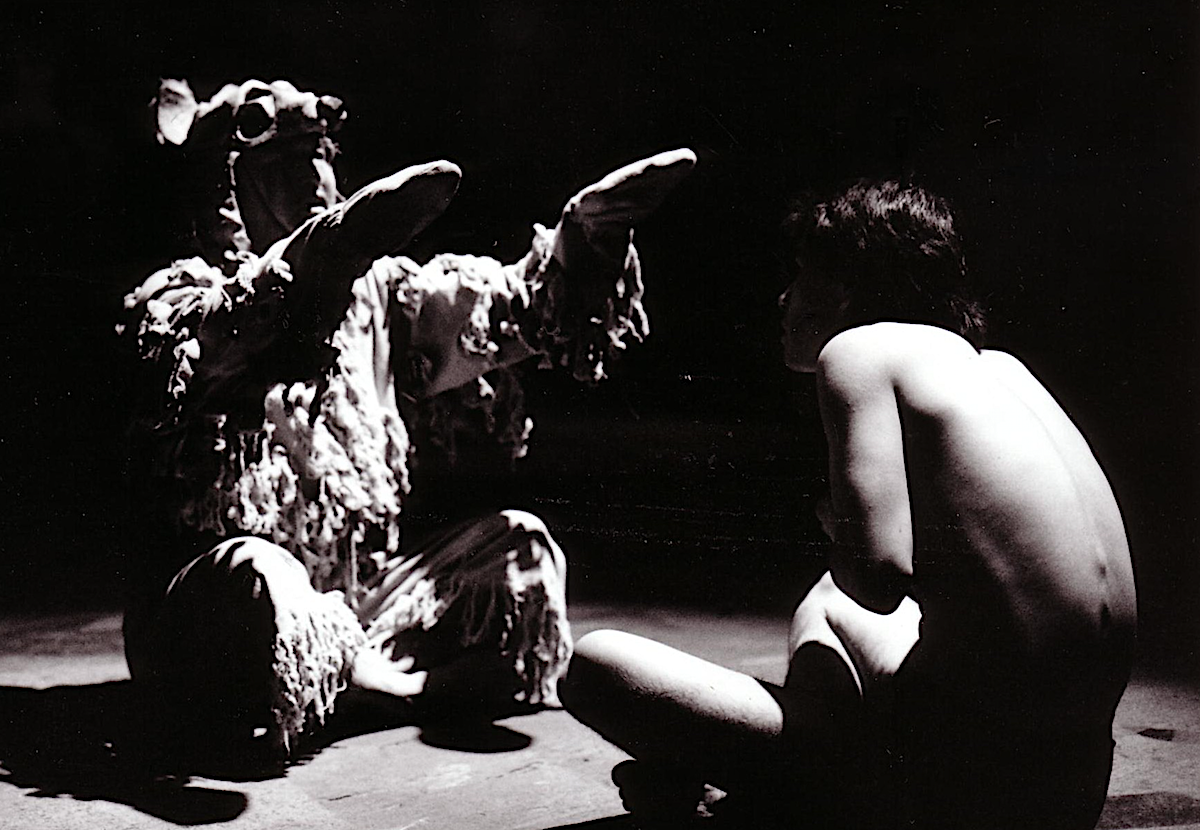
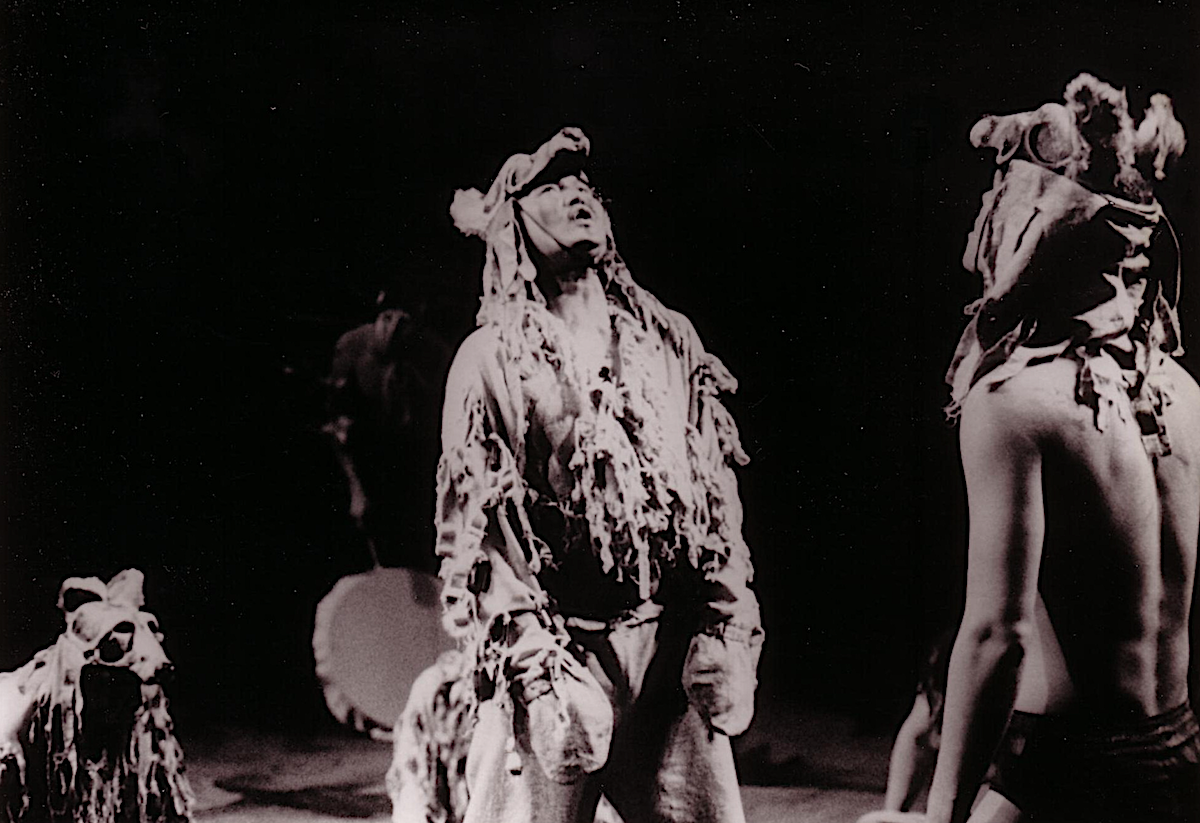

This year's Tuma Theatre offering is striking in its unity, depth of meaning, and sight and sound imagery. Utetmun explores a complex landscape of spiritual development, from self-denial and fear to acceptance and love.
—Fairbanks News-Miner, Alaska
Shadows from Planet Fire
Metamorphosis Theatre
St. Petersburg, Russia
devised/directed
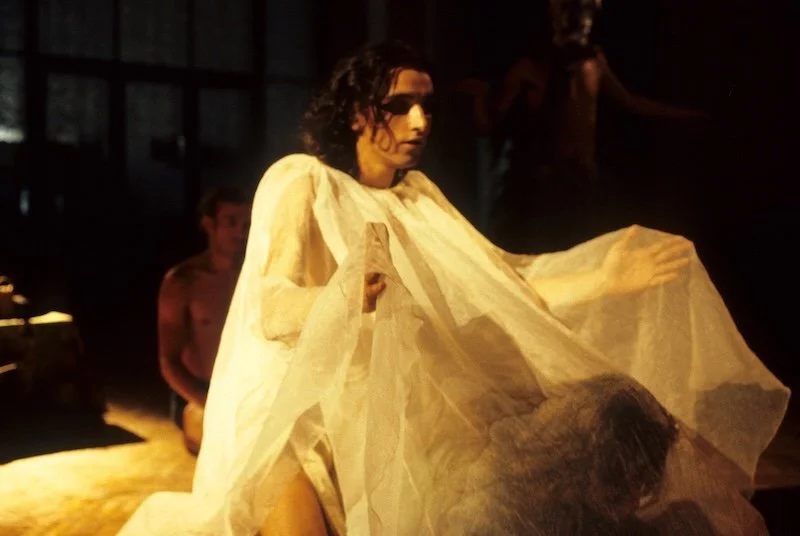
Video excerpt / 7:54
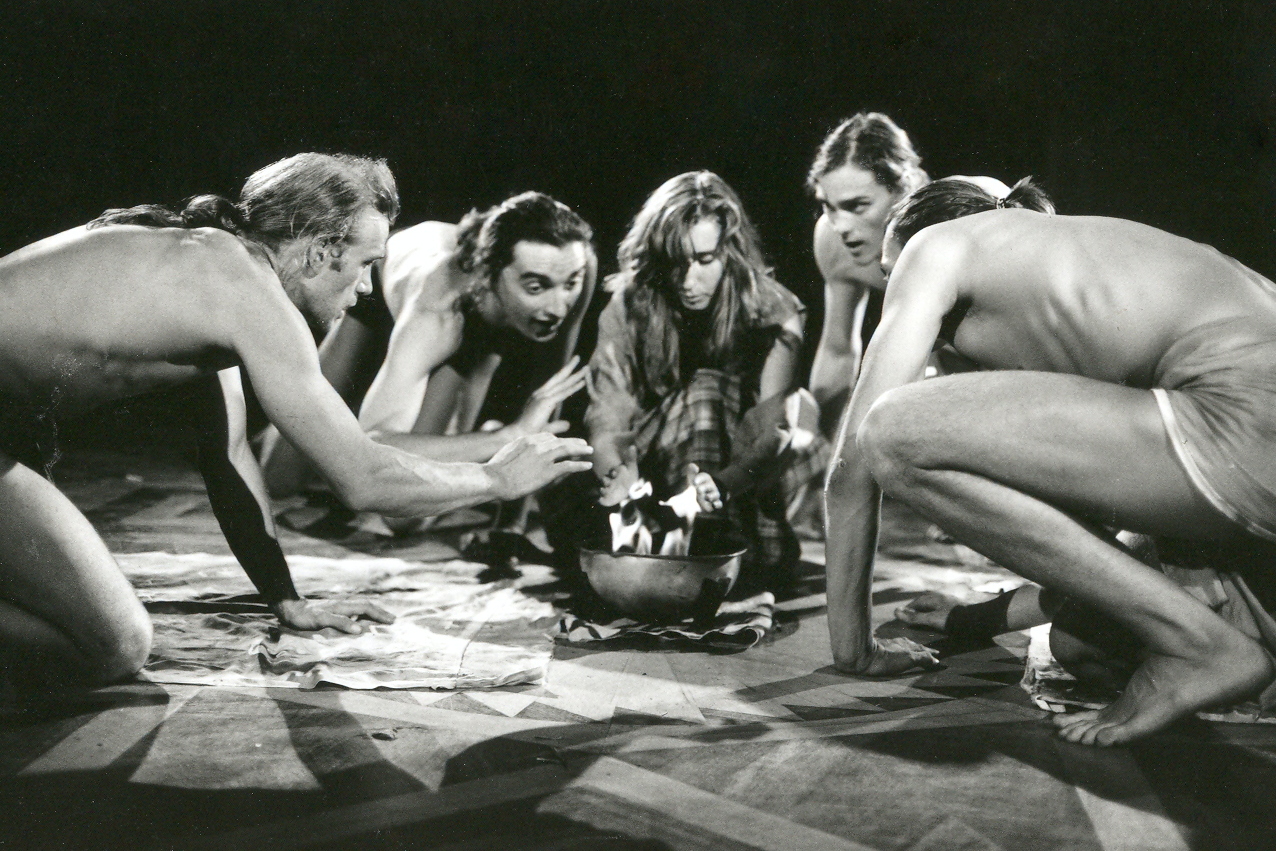
A ritual devised in collaboration with the Metamorphosis Theatre, St. Petersburg, Russia, 1992. The group was devoted to exploring pre-Christian Slavic rituals and was an organ of the White Doves, a five-hundred-year-old spiritual cult. The performance was shown on Russian national television, and the Ural Mountains region was toured. It was devised/directed by Thomas Riccio and created through the improvisation of trance experiences. A selection from the ending of the performance. Presented in the Baltic House Theatre lobby.


Naam/Gen eehu
Tuma Theatre, Alaska
devised/directed